Browsing Category

essential oil benefits

11 Best Essential Oils for Sweating in 2026 (Natural Remedies That Work)

February 23, 2026 by
essential oils for sweating
essential oil benefits, natural essential oils, skincare

11 Best Essential Oils for Sweating in 2026 (Natural Remedies That Work)

Excessive sweating (hyperhidrosis) affects about 3% of people and can be embarrassing and uncomfortable. Fortunately, nature provides essential oils for sweating that act as gentle natural remedies for excessive sweating. These oils have astringent, antibacterial, and calming properties that help regulate perspiration, tighten pores, and neutralize odor. For example, aromatherapy using lavender, tea tree, or rosemary oil (all known for their antimicrobial and soothing effects) can help reduce stress-related sweating. This guide lists the top 11 essential oils to help stop sweating, along with how to use them safely. Floral Essential Oils, a trusted provider of 100% pure organic oils, offers many of these oils to help you create effective DIY remedies.

Natural Remedies for Excessive Sweating

Hyperhidrosis can be triggered by heat, anxiety, hormones, or illness. Conventional treatments (prescription antiperspirants, Botox, iontophoresis) exist, but natural remedies for hyperhidrosis are a popular alternative. Herbal extracts like sage tea or supplements (sage, burdock root) may modestly reduce sweat. In aromatherapy, certain essential oils are prized for regulating perspiration and controlling odor. They can be applied topically (diluted in a carrier oil) or inhaled to promote relaxation (since stress can trigger sweating).

  • Astringent oils (e.g. clary sage, cistus, bay laurel) tighten sweat pores and limit moisture.
  • Antimicrobial oils (e.g. tea tree, lavender, lemon) kill bacteria that cause odor, so sweat smells fresher.
  • Hormone-balancing oils (e.g. clary sage) can tone down sweat glands, while cooling oils (peppermint) give instant comfort.
  • Relaxing oils (like lavender and bergamot) lower anxiety-induced sweating.

By incorporating these natural “sweating oils” into your routine (for example in a DIY spray or roll-on), you can help stop excessive sweating in a gentle, holistic way. Many of these oils are available at Floral Essential Oils, which specializes in pure botanical oils.

Natural essential oils can help manage excessive sweating by reducing odor and pore activity.

How Essential Oils Help Manage Hyperhidrosis

Excessive sweating (hyperhidrosis) is often worsened by stress, heat, or hormones. Essential oils target these factors: their antibacterial compounds keep sweat from smelling, their astringent nature constricts pores, and their calming aroma reduces stress triggers. For instance, clary sage oil contains sclareol, a natural antiperspirant, and also calms anxiety. Lavender and bergamot oils lower cortisol (stress hormone) levels, indirectly reducing stress-related sweat. And peppermint’s menthol gives a cooling feeling on sweaty skin.

When used properly, these oils complement medical treatments. A simple method is to mix a few drops of one or more sweating-controlling oils into a carrier oil (like jojoba or coconut) at ~1–3% dilution and rub on underarms, palms or feet after showering. You might also diffuse calming blends or add oils to a bath. Just remember to patch-test for sensitivity. The following section details the 9 best oils to try.

9 Best Essential Oils for Sweating

Each of the following essential oils offers unique benefits for reducing sweat and odor. Use them as spot treatments (dilute 2–3 drops in a teaspoon of carrier oil) or add to homemade deodorants. Be sure to avoid sun exposure with any citrus oils (e.g. lemon, bergamot, palmarosa) if applied to skin.

1. Clary Sage Essential Oil – Hormone & Sweat Regulator

Clary sage oil is top-rated for excessive perspiration. It contains sclareol, a compound with natural antiperspirant action. Clary sage not only reduces sweat production, but also calms nerves (linalool and linalyl acetate in the oil) to cut stress-related sweating. Its antibacterial effect also fights odor-causing microbes.

  • Usage: Blend 3–4 drops of clary sage EO in 1 teaspoon jojoba or coconut oil; apply to armpits, feet or palms after showering. You can also inhale it on a tissue for calming relief.
  • Caution: Avoid during pregnancy, breastfeeding, or with hormone-sensitive conditions. Always dilute first.

2. Palmarosa Essential Oil – Natural Deodorant Boost

Palmarosa (Cymbopogon martini) is known as a natural deodorant. It’s a broad-spectrum antibacterial oil (rich in geraniol) that helps eliminate the bacteria responsible for body odor. It also refreshes the skin with a gentle floral scent. Palmarosa is moisturizing too, so it can soothe irritated skin.

  • Usage: Mix 3–4 drops palmarosa EO with carrier oil and rub onto sweaty spots (underarms, feet). You can also add a few drops to a homemade deodorant balm or spray.
  • Benefits: Balances skin lipids and prevents odor without blocking pores.

3. Lemon Essential Oil – pH Balancer & Antiseptic

Lemon oil’s fresh citrus aroma isn’t just uplifting – its acidity can slightly change skin pH to discourage bacteria. A lower skin pH makes it harder for odor-causing microbes to thrive. Lemon oil is also antimicrobial and antifungal. This combo leaves skin smelling clean.

  • Usage: Always dilute lemon oil heavily (photosensitivity risk) – e.g. 2 drops in a tablespoon of oil and apply to underarms or feet at night.
  • Note: Avoid sun exposure on lemon-treated skin.

4. Lavender Essential Oil – Calming & Antibacterial

Lavender oil is one of the most versatile EOs. It has antibacterial and antiseptic properties that can prevent bacterial growth on skin, helping sweat to remain odorless. Its calming aroma also reduces anxiety-related sweating. According to Floral Essential Oils, lavender’s gentle, floral scent and calming effects make it a great base for natural deodorant blends.

  • Usage: Dilute 3–5 drops of lavender in a carrier oil and apply underarms or on hot spots. Safe for sensitive skin.
  • Bonus: Lavender also relaxes you, tackling both sweat and stress.

5. Tea Tree Essential Oil – Odor-Fighting Powerhouse

Tea tree oil is a potent antimicrobial. It eliminates many bacteria and fungi on the skin, which stops sweat from turning into odor. While it isn’t an antiperspirant per se, its germ-killing ability means sweaty areas stay fresher. It’s widely used in DIY deodorants for this reason.

  • Usage: Mix 2–3 drops tea tree oil with 1 tsp coconut or sweet almond oil; apply to underarms, feet, or other odor-prone areas.
  • Precaution: Only for external use; avoid if you have skin conditions like eczema.

6. Peppermint Essential Oil – Cooling Sweat Control

Peppermint oil’s high menthol content delivers an instant cooling sensation, which many find soothing on overheated skin. This cooling effect can make you feel less sweaty (especially on the forehead or neck). Peppermint is also antibacterial, helping control odor.

  • Usage: Dilute 2–3 drops peppermint oil in a carrier (e.g. 1 tsp grapeseed oil) and apply to sweaty areas or temples for cooling relief. You can also inhale peppermint oil or use it in a personal diffuser for on-the-spot freshness.
  • Tip: Great for sweaty palms or feet after exercise. Avoid eyes and sensitive skin.

7. Bergamot Essential Oil – Antibacterial and Calming

Bergamot oil (Citrus bergamia) has strong antibacterial qualities and a pleasant citrus fragrance. It can help control body odor-causing germs and its natural citrus freshness masks any faint smell. Bergamot is also mildly sedating, which may help reduce stress-induced sweating.

  • Usage: Dilute 1–2 drops bergamot with a teaspoon of carrier oil and apply to armpits or add to a DIY roll-on.
  • Caution: Contains bergapten (photosensitizing), so use only on non-exposed areas or at night.

8. Rose Geranium Essential Oil – Balances Skin & Odor

Geranium oil is widely used for oily or acne-prone skin because it balances sebum production. It is also an astringent, meaning it tightens pores and reduces sweating. Geranium’s sweet, rose-like aroma is both deodorizing and uplifting.

  • Usage: Add 3–4 drops of geranium oil to 1 tsp carrier oil and apply underarms or feet daily. It works well in spray deodorant blends.
  • Benefit: Helps prevent odor and keeps oily, sweaty skin in check.

9. Rosemary Essential Oil – Odor Blocker & Relaxant

Rosemary oil (cineole type) is antimicrobial and refreshing. It acts as an odor blocker while providing a herbaceous scent. By cleansing the skin and reducing germ activity, it indirectly helps control sweat odor. Its stimulating aroma can also ease mental fatigue, potentially reducing stress-sweating.

  • Usage: Blend 3–4 drops rosemary oil with a carrier and apply to sweaty areas or use in a diffuser.
  • Benefit: In addition to odor control, rosemary can improve circulation, which may help cool overheated skin.

How to Use These Oils for Sweating

  1. Dilute properly: Always mix 2–5 drops of essential oil per teaspoon (5 mL) of carrier oil (coconut, jojoba, sweet almond, etc.) before applying to skin. This prevents irritation.
  2. Spot apply: Focus on sweat-prone areas – underarms, chest, feet, palms, and even the back of the neck. Rub or spray the diluted oil blend after bathing.
  3. DIY deodorant: Create a natural deodorant spray by combining 10–15 drops of a blend (e.g. tea tree, lavender, lemon) with 2 oz witch hazel or vodka. Shake well and spray underarms.
  4. Inhalation: Diffuse calming oils (lavender, bergamot) in your room to reduce anxiety. Low anxiety often means less stress sweating.
  5. Consistent use: Apply 1–2 times daily as needed. Consistency helps regulate your body’s response.

Safety & Precautions

  • Patch test: Try any new oil on a small skin area first.
  • Dilution: Never use neat (undiluted) essential oil on skin.
  • Sun exposure: Avoid sun for 12–24 hours after applying citrus oils (lemon, bergamot, bay laurel).
  • Avoid sensitive cases: Pregnant or nursing women, and people with certain conditions, should consult a doctor before use.
  • Eye/mucus contact: Keep oils away from eyes and mucous membranes.

Conclusion

Excess sweat doesn’t have to be an uncontrollable nuisance. By using the 9 best essential oils for sweating, you can harness nature’s power to balance perspiration and odor. Oils like clary sage and geranium act as natural astringents, while lavender, tea tree, and lemon keep skin clean and fresh. And don’t forget the cooling breeze of peppermint or the stress-relief from bergamot to tackle sweat triggers. Floral Essential Oils offers these pure oils and expertise so you can create your own antiperspirant blends with confidence. Embrace these natural remedies for hyperhidrosis and enjoy dry, fresh comfort all day long.

7 Best Essential Oils for Massage and Stress Relief

February 16, 2026 by
best oils for massage
essential oil benefits, essential oils, health care

7 Best Essential Oils for Massage and Stress Relief

Massage is a proven way to reduce stress and tension, especially when combined with aromatherapy. According to aromatherapy experts, adding essential oils to massage can greatly enhance relaxation. In fact, a recent review noted that “most essential oils use decreased stress and negative emotions”, and specialists confirm that “essential oils can be a powerful addition to massage therapy for stress, tension, anxiety, and pain”. In practice, the soothing scents of these oils trigger the brain’s limbic system and promote calm. Below we list the top essential and carrier oils that are best for massage and stress relief. Each oil can help melt away stress, ease muscle tension, and leave your skin soft and nourished.For example, UCLA experts note that lavender’s scent interacts with GABA pathways to quiet the mind and improve sleep.

Top 7 Essential Oils for Massage and Stress Relief

1. Lavender Essential Oil (Lavandula officinalis)

Lavender is perhaps the most famous calming oil. Its compounds (like linalool and linalyl acetate) are rapidly absorbed through the skin during massage and act on the nervous system. Research confirms lavender’s sedative, anxiolytic and antidepressant effects, helping to relieve tension and anxiety. One source notes lavender “is good for relieving tension, stress, [and] soothing the nerves”. Aromatherapy practitioners often use lavender in massage blends to ease muscle soreness and promote relaxation.

2. German Chamomile Essential Oil (Matricaria chamomilla)

Chamomile (German/blue chamomile) is prized for its gentle, calming effect. Clinical studies found chamomile aromatherapy significantly reduced stress and anxiety levels and even lowered cortisol in test subjects. In product literature, German chamomile is described as “excellent for anxiety and stress” and noted for its anti-inflammatory and sedative properties. In massage it helps soothe inflamed muscles and calms the mind, making it ideal for nervous tension or grief. (Caution: true blue German chamomile is deep blue and very concentrated, so it’s typically diluted well below 1%.)

3. Bergamot Essential Oil (Citrus bergamia)

Bergamot is a citrus oil with potent mood-lifting effects. Clinical aromatherapy studies report that inhaling bergamot significantly reduces anxiety, stress and even lowers blood pressure and heart rate in tense individuals. Its fresh, uplifting aroma makes it a popular choice for massage blends aimed at mental fatigue or emotional tension. (Note: like other citrus oils, bergamot should be used at low dilutions to avoid skin sensitivity in the sun.)

4. Frankincense Essential Oil (Boswellia serrata/carterii)

Frankincense oil has been used for millennia for meditation and relaxation. The Floral Essential Oils catalog highlights its nervous system effects: “elevating yet soothing on the emotions… instils peace and calm… alleviates stress-related conditions”. Scientific reviews note frankincense produces an “elevating yet calming” feeling that helps past anxieties fade. In a massage, its warm, spicy-woody scent can enhance mindfulness and reduce both physical pain and emotional stress. Frankincense is often blended with lavender or chamomile for deep relaxation.

5. Cedarwood Essential Oil (Cedrus or Juniperus spp.)

Cedarwood oil is rich in cedrol, a compound with well-documented sedative effects. Aromatherapists prize cedarwood for its grounding and tranquilizing properties, making it excellent for bedtime massage or anxiety. It also has anti-inflammatory activity, so it can soothe achy muscles and joints after exercise. Try adding cedarwood to a warming massage blend or diffuser to wind down tension.

6. Ylang-Ylang Essential Oil (Cananga odorata)

Ylang-ylang is an exotic floral oil known for balancing emotions and promoting relaxation. The product description emphasizes that it “perfectly works for balancing the emotions and reducing stress and anxiety”. Its sweet, sensual scent can help calm rapid heartbeat and ease anger while its antidepressant effects uplift mood. Massage therapists use ylang-ylang to soothe both the mind and body – it may even help blood pressure and heart rate return to normal. Ylang-ylang blends well with lavender and sandalwood for a deeply relaxing massage oil.

7. Peppermint Essential Oil (Mentha arvensis)

Peppermint oil is invigorating yet surprisingly helpful for stress relief. It contains menthol, which gives it a cooling “analgesic” effect that relieves sore muscles and joint pain. In massage, peppermint is often added for muscle aches or tension headaches. Its crisp scent sharpens the mind; one study even found peppermint inhalation improves alertness and memory. This makes it a good counterbalance in blends: combine peppermint (for muscle relief) with lavender or chamomile (for calm) to fight both stress and fatigue.

How to Use Essential Oils for Massage

1. Dilute in a carrier oil

Never apply pure essential oils (neat) to skin. Always add them to a carrier oil (like coconut, jojoba or sweet almond) before massage. For adults, a 2% dilution is a general guideline: about 12 drops of essential oil per 30 mL (1 fl oz) of carrier. (This can be increased slightly for short massages; some practitioners use up to 3–4% on limited areas.) For children or sensitive skin, use only 1% or less. Mix well. One handy tip is 2 drops of oil per teaspoon of carrier.

2. Perform a patch test

Before a full massage, test your blend on a small skin area. Check for redness or itching over 24 hours. If irritation occurs, dilute more or choose a gentler oil.

3. Apply gently

Warm the diluted oil blend in your palms and rub it in with long, smooth strokes over the target area. Common techniques: kneading muscles, long effleurage strokes, or circular motions on joints. Inhale as you massage; the scent of the oil contributes to relaxation. According to experts, components like linalool in lavender are absorbed within minutes and begin acting on the nervous system.

4. Consider timing

Some oils (lavender, chamomile, ylang-ylang) are especially suited for evening massage to promote sleep. Others (bergamot, peppermint) can be used any time to boost mood or relieve tension. Even brief inhalation (e.g. diffusing bergamot for 10 minutes) has been shown to lower stress markers.

Benefits of Massage with Essential Oils

1. Deep relaxation & stress relief 

Essential oil massage targets both body and mind. Oils like lavender, bergamot, chamomile and ylang-ylang have proven anxiolytic effects. They help lower cortisol and calm nerves, reducing the fight-or-flight response. Patients receiving lavender or bergamot aromatherapy report less anxiety and deeper sleep.

2. Muscle pain and inflammation relief

Many oils offer analgesic and anti-inflammatory benefits. Peppermint’s menthol soothes sore muscles and headaches. Eucalyptus, chamomile and cinnamon oils are also noted to help “reduce pain and inflammation” in massage studies. These oils increase local blood flow and relax muscle spasms.

3. Improved circulation and mood

Massage alone boosts circulation; adding aromatics can enhance the effect. Oils like citrus (bergamot, lemon) can raise mood and alertness, while woody scents (cedarwood, frankincense) ground and soothe. Elevated mood and reduced stress together create a stronger sense of well-being.

4. Skin and health support

Diluted essential oils also benefit skin: many are antiseptic or nourishing. For example, lavender and frankincense help heal skin, while carrier oils like almond add Vitamin E. The overall ritual, gentle touch plus pleasant fragrance promotes total-body relaxation, which can indirectly lower blood pressure and boost immunity.

Precautions and Tips

1. Patch-test and dilute: 

As noted, always blend oils well before use to avoid irritation. A 2% dilution is typically safe for most adults. Be extra cautious with sensitive skin or children (use ≤1%).

2. Mind phototoxic oils:

Some citrus oils (like bergamot, lemon) can cause sunburn if not used at very low dilutions. Follow dilution charts (bergamot max ~2%) and avoid sun exposure on treated skin for 12–24 hours.

3. Avoid eyes and broken skin:

Keep oils away from eyes, mucous membranes and open wounds. If accidental contact occurs, flush with carrier oil (not water).

4. Consult a professional for conditions:

If you have allergies, high blood pressure, pregnancy, or medical conditions, check with a healthcare provider before use.

5. Use high-quality oils:

Floral Essential Oils provides 100% pure, steam-distilled oils without additives. Pure oils maximize therapeutic benefits and minimize risk of irritation. Look for reputable sources and organic certification when possible.

Conclusion

Using essential oils in massage can greatly enhance relaxation and stress relief. The “best oils for massage” lavender, chamomile, bergamot, frankincense, cedarwood, ylang-ylang and peppermint each bring unique benefits for mind and body. Scientific studies and aromatherapy experts confirm their abilities to calm anxiety, ease muscle tension, and improve mood. When blended safely in a carrier oil, these oils turn a routine massage into a powerful therapeutic experience. Try one or a combination of these oils on your next massage session to feel more relaxed and balanced.

Frequently Asked Questions (FAQs)

1. Which essential oil is best for a relaxing massage? 

For pure stress relief, lavender is often number 1,  it’s clinically shown to improve sleep and reduce anxiety. Chamomile and bergamot are excellent for calming nerves and stress. For muscle relaxation in the blend, adding peppermint or eucalyptus can ease aches.

2. How do I dilute oils for massage? 

The standard is about 2% dilution for adults: roughly 12 drops of essential oil per 30 mL (1 oz) of carrier oil. For children or very sensitive people, use just half that (6 drops per ounce, ~1%). Always measure carefully and mix well.

3. Can I use essential oils directly on the skin?

No, applying undiluted (“neat”) oils risks irritation and sensitization. Even gentle oils like lavender should be diluted as shown above. Add them to a carrier oil or lotion first.

4. How should I prepare a massage oil blend?

Pick a carrier oil (sweet almond, coconut, jojoba, etc.) and add your essential oils. For example, for a 2% blend: 10 drops lavender + 2 drops peppermint in 1 fl oz of carrier. Warm it in your palms, then apply. Work from the center of the muscle outward in long strokes, using gentle pressure. Inhale deeply to gain aromatherapeutic benefit as you massage.

5. Can men use floral oils, or are they only for “spa”?

Absolutely. Essential oils like cedarwood, peppermint, frankincense and bergamot are often preferred by men for their grounding, woody or crisp aromas. These oils have all the same stress-relief benefits. The act of massage itself improves circulation and relaxation for anyone.

Essential Oils for Hormonal Balance: A Natural Wellness Guide

February 9, 2026 by
Essential Oils for Hormonal Balance
essential oil benefits, essential oils, health care, natural essential oils

Essential Oils for Hormonal Balance: A Natural Wellness Guide

Hormonal balance is crucial for overall health, impacting mood, metabolism, and wellbeing. Essential Oils for Hormonal Balance can help support your body’s natural hormone levels in a gentle, natural way. When hormones such as estrogen, progesterone, and cortisol are out of balance, we may experience symptoms like mood swings, fatigue, or menstrual discomfort. This imbalance can occur at many life stages during puberty, pregnancy, postpartum, perimenopause or simply times of stress. Many people seek natural remedies to ease these symptoms, and aromatherapy is one option. Essential oils are the aromatic extracts of plants that carry potent chemical constituents; when inhaled or absorbed through the skin, they can interact with the body’s endocrine system. This article explores how oils can aid hormone health, which oils are best, and how to use them safely.

Fortunately, aromatherapy can help address some of these issues. Essential oils are rich in bioactive molecules: for instance, clary sage oil contains naturally occurring phytoestrogens that can mimic or modulate estrogen activity. Oils also influence the nervous system; by reducing stress or improving sleep, they help keep hormones in check. In short, essential oils for hormones work indirectly by creating an environment of balance and wellness. By using certain oils regularly, many people find relief from symptoms like PMS cramps, menopausal hot flashes, and chronic stress.

Hormones are chemical messengers that travel through the bloodstream to regulate processes like reproduction, metabolism, and mood. The endocrine glands (thyroid, adrenals, ovaries/testes, etc.) produce these hormones, so any disruption in these glands can ripple through your health. For example, excess estrogen may lead to heavy periods or PMS, while low progesterone can cause insomnia or mood swings. In men, imbalances of testosterone or thyroid hormones can result in fatigue, low sex drive, or depression.

How Essential Oils May Support Hormone Balance

Essential oils enter the body mainly through inhalation or skin absorption. When you inhale an oil’s scent, its molecules quickly travel to the brain’s limbic system the part that controls emotions and endocrine signaling. Topical application (with a carrier oil) allows the oils to seep through the skin and into circulation. Once absorbed, some oils can influence hormone pathways. Thyme oil has been found to boost progesterone levels in women.

Many essential oils also act as gentle mood-lifters. Since stress can throw hormones out of balance (high cortisol disrupts the thyroid and reproductive hormones), oils that relieve anxiety and improve sleep have an indirect hormone-balancing effect.

Because the skin is our largest organ, topical use is very effective. When mixed into a carrier oil (like jojoba or coconut), essential oil molecules (which weigh <1000 Da) can pass through the skin into the bloodstream. In fact, one holistic practitioner recommends a DIY hormone-balancing serum of clary sage and thyme, applied to the skin twice daily, to “balance out estrogen” and support progesterone production. Even simply inhaling these oils (by sniffing the bottle or using a personal inhaler) can help trigger their hormone-related effects via the brain.

Best Essential Oils for Hormonal Balance

Some essential oils are particularly celebrated for hormone support. Aromatherapists often refer to clary sage, fennel, lavender, sandalwood, and thyme as key “hormone-balancing essential oils”. Here are the top picks:

  1. Clary Sage (Salvia sclarea):
    Often called a “female hormone herb,” clary sage is enriched with linalyl acetate and phytoestrogens. It’s famous for balancing estrogen levels and reducing stress. Research shows inhaling clary sage can significantly drop cortisol and improve mood in women. Women use it during PMS or menopause to ease cramps and anxiety. A few drops diffused or applied (diluted) to the lower belly or neck can relieve menstrual pain and hot flashes.
  2. Thyme:
    Thyme essential oil is prized for supporting progesterone. In both men and women, low progesterone can cause irregular cycles, anxiety, and weight gain. Thyme oil has been shown to increase progesterone production naturally. Add 2–3 drops to a warm bath or dilute and massage into the lower abdomen around ovulation or PMS for hormonal support. Thyme’s invigorating aroma can also help combat fatigue.
  3. Lavender:
    Lavender oil doesn’t target one hormone, but it powerfully calms the nervous system. By lowering stress and improving sleep quality, lavender helps keep cortisol and other hormones on track. Diffuse 5 drops of lavender oil in the bedroom each night, or add it to a bedtime bath. You can also dilute it (1-2 drops) on your temples or wrists to soothe anxious thoughts. People with PMS often report that lavender aromatherapy reduces mood swings and headaches during their cycle. Its gentle effect makes lavender suitable even for children or sensitive individuals.
  4. Sandalwood:
    The warm, woody scent of sandalwood triggers a relaxation response. Sandalwood used to increase sexual vitality and calm the mind, indirectly supporting endocrine balance. By reducing tension, sandalwood oil lowers stress hormones and can make libido support therapies more effective. It’s a popular ingredient in hormone-support blends for its centering effect.
  5. Rose Geranium:
    Rose oil, sometimes called an aphrodisiac, can help balance testosterone and cortisol. Simply inhaling the scent of rose or geranium via a diffuser or a sniff of the oil bottle—can induce calmness. A drop in your palms (then inhale deeply) or on a cloth can relieve stress.
  6. Frankincense:
    Known for spiritual uses, frankincense also helps with hormone balance. It can support thyroid function and reduce inflammation. Diffuse frankincense oil or apply it over the thyroid area (front of neck) with a carrier oil. This may help regulate metabolism and mood during hormonal shifts. Women often inhale frankincense to ease menopausal headaches and anxiety.
  7. Peppermint:
    Refreshing peppermint oil can relieve hormone-related headaches and nausea. Diffusing peppermint or dabbing a drop (diluted) on the temples can quickly clear a mind affected by PMS fog. While peppermint is not a balancing oil per se, it alleviates uncomfortable symptoms so that stress doesn’t compound hormone issues.

These oils are not a miracle cure, but they can complement a healthy lifestyle. Try incorporating one or two into your daily routine (morning and night) to gradually notice benefits. 

How to Use Essential Oils for Hormone Balance

To get the most out of hormone-balancing oils, use them thoughtfully:

  • Topical Application:
    Always dilute essential oils in a carrier oil (like jojoba, coconut, or sweet almond). A safe dilution is about 1–2% (roughly 1-2 drops of essential oil per teaspoon of carrier). Apply blends to pulse points and problem areas. Good targets include the wrists, temples, back of the neck, and along the spine. For menstrual discomfort, massage diluted clary sage or lavender into the lower abdomen or back.
  • Where to apply essential oils for hormone balance:
    Focus on areas associated with hormone glands. The abdomen (over the ovaries/testes) and lower back (kidney/adrenal region) are key for reproductive hormones. The neck/throat area (near the thyroid and pituitary) is also important—gently applying diluted frankincense or clary sage there can support thyroid and pituitary balance. Anecdotally, many aromatherapists suggest applying oils to the soles of the feet before bed; the feet absorb oils well, and this can induce whole-body relaxation.
  • Inhalation/Diffuser:
    Diffusers disperse oils into the air for gentle inhalation. Add 3–5 drops of lavender, sandalwood, or clary sage to a diffuser and enjoy 15–30 minutes of aromatherapy. Even brief inhalation can help: carry a small inhaler tube with you, or simply take 3-5 deep sniffs from the bottle when stressed.
  • Bath:
    A warm bath with essential oils is wonderfully relaxing. Mix 5–10 drops of a hormone-support blend with a cup of Epsom salt or milk (to emulsify) and add to the tub. Soak for 20 minutes. Oils like lavender, rose, and geranium are great in baths. This allows full-body absorption and respiratory benefits from steam.
  • Massage:
    A full-body massage with hormone-balancing oils can double as stress relief. You might do a gentle self-massage of your arms and legs with lavender oil before sleep. Partner massages can also use these oils on the shoulders and neck to relieve tension.
  • How to Use Essential Oils for Hormone Balance:
    Consistency matters. Use oils daily or whenever symptoms flare. Keep a journal: note which oil(s) you use and how you feel. Over a month, you may see improvements in cycle regularity, mood stability, or energy. Always start with small amounts (1-2 drops) and adjust. Some oils like peppermint can be strong, so use less of those.

Safety and Precautions

Essential oils are potent plant extracts. To use them safely:

  • Dilute Properly:
    Never apply undiluted (neat) oils to the skin. Mix oils with a carrier oil at 1–2% dilution. If you accidentally use too much, cover the area with coconut oil or clear fat, not water, to avoid spreading it.
  • Patch Test:
    Before using a new oil blend, do a patch test. Apply a drop of diluted oil on the inner forearm. Wait 15-20 minutes. If you notice redness, itching or discomfort, dilute more or skip that oil.
  • Avoid Sensitive Areas:
    Don’t put oils undiluted on sensitive areas (eyes, mucous membranes, or directly on genitals). Keep blends away from open wounds. If using oils on the abdomen, wear a cloth or tuck a layer of clothing over the area to prevent irritation.
  • Pregnancy:
    During pregnancy (especially the first trimester), some oils are contraindicated. Clary sage, for instance, can stimulate uterine contractions in large doses. If pregnant or breastfeeding, consult a qualified aromatherapist or doctor.
  • Medical Conditions:
    If you have hormone-sensitive conditions (like estrogen-positive breast cancer, endometriosis, PCOS, thyroid disorders), consult a healthcare provider before use. While oils can be supportive, they are not a substitute for medical treatment.
  • Interactions and Medications:
    Some oils can interact with medications (for example, high-dose clary sage or peppermint might affect blood pressure meds or diabetes medications). Always discuss with a doctor or pharmacist if you’re on prescription drugs.
  • Quality Matters:
    Use 100% pure essential oils from reputable companies. Quality varies widely. Floral Essential Oils offers pure, steam-distilled oils from trusted sources. For example, their Clary Sage Oil and Lavender Oil are undiluted and free of fillers, ensuring you get the full therapeutic benefit. Cheap or synthetic oils won’t be as effective and may irritate your skin.

By following these precautions, you can enjoy the benefits of hormone-balancing oils safely. Aromatherapy is generally very gentle, but mindfulness and quality are key.

Bringing It All Together

Balancing hormones naturally means treating the body as a whole. Essential oils are just one tool. Alongside oils, focus on diet (healthy fats, plenty of vegetables, and balanced protein), regular movement, and stress management (like yoga or meditation). Even sunshine (vitamin D) and sleep hygiene play big roles.

For example, some sources recommend adaptogenic herbs (ashwagandha, holy basil, rhodiola) to support stressed adrenal glands. While that’s beyond aromatherapy, it shows how multi-faceted hormone care can be. Similarly, essential oils complement these efforts by promoting calm and hormonal signaling.

The key takeaway is that essential oils for hormone balance can provide real benefits by targeting stress and mood (which influence hormones) and offering mild hormonal modulation. Clary sage and thyme oils directly engage reproductive hormones, while oils like lavender, rose, and sandalwood soothe the nervous system. Use them in ways that fit your routine: a diffuser in the morning, a calming roll-on at night, or an evening bath.

Each person’s body is unique. What works best may take some trial. If an oil blend isn’t helping, try a different combination. Many people keep a “hormone-balancing roller” (carrier oil + clary sage, lavender, geranium) handy to apply daily. Over time, you’ll learn which scents and routines support your cycle or mood the most. Essential oils are a gentle, natural means of supporting endocrine health. With informed use (and by consulting trusted sources), they can become part of your strategy for better mood, sleep, and overall wellbeing as your hormones change.

Coconut Oil as a Moisturizer: Benefits, Uses & Expert Tips

February 5, 2026 by
Coconut Oil as a Moisturizer
essential oil benefits, essential oils, natural essential oils, skincare

Coconut Oil as a Moisturizer: Benefits, Uses & Expert Tips

Introduction: Why Skin Needs Extra Moisture Today


Dry, tight, and flaky skin is no longer just a winter problem. Air conditioning, pollution, frequent cleansing, and harsh skincare products can strip the skin of its natural oils all year round. As a result, many people are turning back to natural, time-tested solutions that actually work.

One ingredient that consistently stands out is coconut oil as a moisturizer. Used for centuries in tropical regions, coconut oil is known for its deep hydration, skin-softening properties, and gentle nature. But is it suitable for everyone? And how should it be used correctly?

What Is Coconut Oil?

Coconut oil is a natural essential oil extracted from the meat of mature coconuts. It is rich in fatty acids, antioxidants, and skin-nourishing compounds that make it highly effective for topical use.

Types of Coconut Oil for Skin

Not all coconut oils are created equal. For skincare, always choose:

  • Virgin coconut oil
  • Cold-pressed coconut oil
  • Unrefined coconut oil

These forms retain maximum nutrients and are free from harsh chemicals.

Coconut Oil as a Moisturizer: How It Works

Using coconut oil as a moisturizer works by strengthening the skin barrier and preventing moisture loss rather than adding water to the skin.

How coconut oil hydrates the skin:

  • Forms a protective layer that locks in moisture
  • Softens rough and dry skin areas
  • Reduces transepidermal water loss (TEWL)
  • Nourishes skin with essential fatty acids

Unlike water-based lotions, coconut oil works best when applied to slightly damp skin, sealing hydration inside.

Key Nutrients in Coconut Oil That Benefit Skin

1. Medium-Chain Fatty Acids

These penetrate the skin easily, helping restore softness and elasticity.

2. Lauric Acid

Known for its antimicrobial properties, lauric acid helps protect skin from bacteria that can worsen dryness or irritation.

3. Vitamin E & Antioxidants

Support skin repair, protect against environmental stressors, and promote healthy-looking skin.

Benefits of Coconut Oil as a Moisturizer

Here’s why coconut oil remains a popular natural skincare choice:

Deep Moisturization

Ideal for extremely dry skin, elbows, knees, heels, and cracked areas.

Improves Skin Barrier Function

Helps reduce moisture loss and supports long-term hydration.

Soothes Sensitive Skin

Can help calm irritation, mild redness, and rough texture when used correctly.

Multi-Purpose Use

Works as:

  • Body moisturizer
  • Hand and foot cream
  • Lip balm
  • Cuticle oil

Natural & Chemical-Free

No synthetic fragrances, parabens, or preservatives.

Who Should Use Coconut Oil as a Moisturizer?

Coconut oil works best for certain skin types and situations.

Suitable for:

  • Dry skin
  • Normal skin
  • Mature skin
  • Rough or cracked skin areas
  • Winter skincare routines

May not suit:

  • Oily skin
  • Acne-prone skin
  • Very humid climates (face application)

This doesn’t mean coconut oil is “bad” — it simply needs proper usage.

Drawbacks of Coconut Oil on Skin

For transparency and trust, it’s important to understand the limitations.

Possible concerns:

  • Comedogenic: May clog pores for some people
  • Heavy texture: Can feel greasy on the face
  • Not a humectant: Doesn’t add moisture on its own

Expert Insight: Coconut oil works best as an occlusive moisturizer, not a standalone hydrating agent.

How to Use Coconut Oil as a Moisturizer Correctly

Step-by-Step Guide:

  1. Cleanse your skin gently
  2. Leave skin slightly damp
  3. Take a small amount of coconut oil
  4. Warm it between your palms
  5. Massage gently into the skin

Best Time to Apply:

  • After showering
  • Before bedtime
  • During colder months

Coconut Oil for Different Skin Uses

Coconut Oil for Body Moisturizing

Perfect for:

  • Arms and legs
  • Dry patches
  • Stretch marks
  • Rough heels

Coconut Oil for Hands & Feet

Use overnight with cotton gloves or socks for deep repair.

Coconut Oil for Face (Use with Caution)

Best for:

  • Dry skin types
  • Night use only
  • Mixed with lighter oils like jojoba

Real-Life Use Cases

  • People with dry skin during winter months
  • Frequent hand-washers experiencing cracked skin
  • Individuals switching to minimalist skincare
  • Natural skincare enthusiasts

Many users report softer skin within 7–10 days of consistent use.

Actionable Tips for Best Results

  • Always patch test before first use
  • Mix with aloe vera gel for lightweight hydration
  • Use sparingly on the face
  • Store in a cool, dry place
  • Choose organic, food-grade coconut oil

FAQs: Coconut Oil as a Moisturizer

1. Is coconut oil good as a daily moisturizer?

Yes, especially for dry skin and body use. Apply to damp skin for best results.

2. Can coconut oil replace body lotion?

For many people, yes. It provides long-lasting moisture and skin softness.

3. Is coconut oil safe for sensitive skin?

Generally yes, but always do a patch test first.

4. Can coconut oil clog pores?

It can for acne-prone skin. Use cautiously on the face.

5. Can coconut oil help with dry winter skin?

Absolutely. It’s particularly effective in cold, dry weather.

6. Which coconut oil is best for moisturizing?

Virgin, cold-pressed, unrefined coconut oil is ideal.

Top Essential Oils for Cracked Heels & Dry Hands

January 20, 2026 by
essential oils for dry skin
essential oil benefits, essential oils, skincare

Top Essential Oils for Cracked Heels & Dry Hands

Dry, rough hands and painful cracked heels are common problems, especially during winter, dry weather, or frequent hand washing. Using essential oils for cracked heels is one of the most natural and effective ways to restore softness and heal damaged skin. If you are searching for the best natural oil for cracked heels, essential oils combined with nourishing carrier oils can deeply moisturize, repair skin barriers, and prevent further dryness. These plant-based oils are rich in antioxidants, vitamins, and antibacterial properties that support faster healing while keeping your skin healthy and smooth.

In this blog, you’ll discover the best essential oils for dry hands and cracked heels, how they work, and how to use them safely for everyday skincare.

Why Do Heels Crack and Hands Become Dry?

Before choosing the right oils, it’s important to understand what causes cracked heels and dry hands.

Common reasons include:

  • Cold and dry weather
  • Walking barefoot or wearing open footwear
  • Frequent hand washing and use of sanitizers
  • Lack of moisturization
  • Skin conditions like eczema
  • Dehydration and poor nutrition

When the skin loses moisture, it becomes rough and weak. Over time, pressure on the heels causes deep cracks that may become painful or infected. Natural oils help restore hydration and strengthen the skin barrier.

How Essential Oils Help Heal Cracked Heels & Dry Hands

Essential oils are highly concentrated plant extracts known for their healing and nourishing properties. When blended with carrier oils, they can:

  • Deeply moisturize dry skin
  • Support skin cell repair
  • Reduce inflammation and redness
  • Fight bacteria and fungi
  • Improve skin texture and softness

This makes essential oils one of the best natural solutions for foot and hand care.

Best Essential Oils for Cracked Heels

Here are the top essential oils that work wonders for cracked heels:

1. Tea Tree Essential Oil

Tea tree oil has strong antibacterial and antifungal properties. It helps prevent infections in deep heel cracks and keeps the feet clean and healthy.

Benefits:

  • Prevent fungal infections
  • Cleanses damaged skin
  • Speeds up healing

2. Lavender Essential Oil

Lavender oil is gentle, soothing, and perfect for repairing dry and damaged skin. It also promotes relaxation, making it ideal for nighttime foot care.

Benefits:

  • Repairs cracked skin
  • Reduces irritation
  • Promotes skin regeneration

3. Frankincense Essential Oil

Frankincense is excellent for improving skin elasticity and reducing dryness. It helps prevent further cracking while improving the appearance of feet.

Benefits:

  • Strengthens skin
  • Reduces inflammation
  • Promotes healing

4. Eucalyptus Essential Oil

Eucalyptus oil refreshes tired feet and helps relieve pain caused by deep cracks.

Benefits:

  • Improves circulation
  • Reduces pain
  • Cleanses the skin

5. Peppermint Essential Oil

Peppermint oil gives a cooling sensation and helps soothe painful cracked heels.

Benefits:

  • Relieves discomfort
  • Refreshes feet
  • Reduces itching

Best Essential Oils for Dry & Rough Hands

Hands are exposed to harsh chemicals, soap, and pollution daily. These essential oils help keep hands soft and healthy:

1. Geranium Essential Oil

Geranium oil balances natural oil production and improves skin hydration.

2. Rose Essential Oil

Rose oil deeply nourishes and improves skin texture, making hands feel smooth and soft.

3. Chamomile Essential Oil

Chamomile oil is perfect for sensitive or irritated hands.

4. Sandalwood Essential Oil

Sandalwood helps lock in moisture and prevents dryness.

Best Carrier Oils to Mix with Essential Oils

Essential oils should always be diluted before applying to skin. These carrier oils are perfect for cracked heels and dry hands:

  • Coconut oil
  • Sweet almond oil
  • Jojoba oil
  • Olive oil
  • Shea butter

These oils add deep hydration and help essential oils penetrate better.

DIY Essential Oil Blend for Cracked Heels

Here’s a simple and effective blend you can make at home:

Ingredients:

  • 2 tablespoons coconut oil
  • 1 tablespoon olive oil
  • 6 drops tea tree essential oil
  • 6 drops lavender essential oil

How to use:

  1. Mix all ingredients in a clean bowl.
  2. Apply to clean, dry heels before bedtime.
  3. Wear cotton socks overnight for best results.
  4. Repeat daily until cracks heal.

DIY Hand Moisturizing Oil Blend

Ingredients:

  • 2 tablespoons sweet almond oil
  • 5 drops geranium essential oil
  • 5 drops rose essential oil

Apply a few drops to hands and massage well. Use after washing hands for long-lasting softness.

Extra Tips for Preventing Cracked Heels & Dry Hands

  • Drink enough water daily
  • Use a pumice stone once a week
  • Avoid very hot water
  • Wear socks after applying oil
  • Use gloves while cleaning

These habits combined with essential oils will keep your skin smooth and healthy.

Why Choose Natural Oils Over Chemical Creams?

Most commercial creams contain artificial fragrances, alcohol, and preservatives that can make dryness worse over time. Essential oils and carrier oils are free from harsh chemicals and provide long-term skin nourishment.

Natural oils:

  • Support real skin repair
  • Do not clog pores
  • Are gentle and effective
  • Provide aromatherapy benefits

Conclusion

Using essential oils for cracked heels and dry hands is a safe, effective, and natural way to restore softness and heal damaged skin. If you’re looking for the best natural oil for cracked heels, combining pure essential oils with nourishing carrier oils gives the best results. With regular use, your heels will become smoother, and your hands will stay soft, hydrated, and healthy.

For premium-quality essential oils and carrier oils, Floral Essential Oils offers a wide range of pure, natural solutions designed to support your skin care needs. Add these healing oils to your daily routine and enjoy naturally beautiful, healthy skin.


Frequently Asked Questions (FAQs)

1. Which essential oil is best for cracked heels?

Lavender, tea tree, and frankincense essential oils are among the best essential oils for cracked heels. They help repair damaged skin, fight infection, and deeply nourish dry, rough feet.

2. Can essential oils really heal cracked heels?

Yes, when used regularly with a carrier oil, essential oils for cracked heels help soften hardened skin, reduce inflammation, and support natural skin healing.

3. What is the best natural oil for cracked heels?

Coconut oil, shea butter, and sweet almond oil are considered the best natural oils for cracked heels because they deeply moisturize, strengthen the skin barrier, and prevent further cracking.

4. How often should I apply essential oils on cracked heels?

You can apply essential oil blends once or twice daily. For best results, apply at night and wear cotton socks to allow the oils to work deeply while you sleep.

5. Are essential oils safe for dry hands?

Yes, when diluted properly, essential oils like rose, chamomile, geranium, and sandalwood are safe and effective for dry hands. They soothe irritation and restore skin moisture.

6. Can I apply essential oils directly on my skin?

Essential oils should always be diluted with a carrier oil before applying to the skin. Direct application may cause irritation, especially on cracked or sensitive skin.

Cold Pressed vs Steam Distilled Essential Oils: Which Method Gives Pure Results? 

November 11, 2025 by
absolutes oils, essential oil benefits, essential oils, extraction methods, health care

Cold Pressed vs Steam Distilled Essential Oils: Which Method Gives Pure Results? 

Essential oils have gained enormous popularity in wellness, healing, and aromatherapy, but choosing between cold pressed vs steam distilled essential oils can significantly impact their quality. These concentrated plant extracts are remarkably potent—about 80 times more concentrated than dried herbs. In fact, it takes an astonishing 4 million jasmine buds to produce just one pound of pure jasmine oil. 

When we look at the difference between cold pressed and steam distilled essential oils, the extraction method becomes a crucial factor in determining their ultimate quality and efficacy. Steam distillation, which has been widely used for a long time, is generally considered superior for producing pure, stable, and highly aromatic oils. Meanwhile, cold pressing offers excellent results for certain plant materials, particularly citrus oils. Consequently, steam-distilled oils tend to be more stable and less prone to oxidation, giving them a longer shelf life—an important consideration for both personal use and commercial products. 

As the demand for essential oils continues to grow rapidly across wellness, cosmetic, aromatherapy, and pharmaceutical industries, understanding these extraction methods becomes increasingly important. Whether you’re looking for oils to enhance your natural beauty routine, address skin concerns, or simply enjoy their aromatic benefits, we’ll help you understand which method might be best suited for your specific needs. 

Understanding the Extraction Methods 

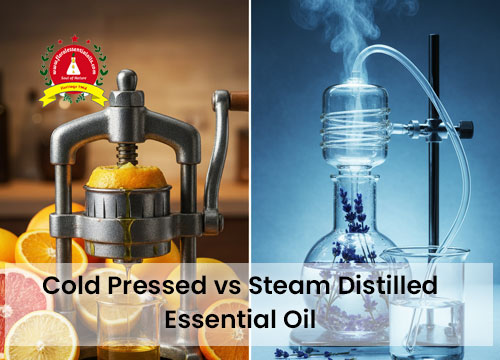
The extraction method serves as the foundation for essential oil quality. Two primary techniques dominate the industry: steam distillation and cold pressing, each producing oils with distinct characteristics. 

Steam Distillation: How It Works and What It Extracts 

Steam distillation represents the most widely used essential oil extraction technique. This process begins by passing steam through plant material, which vaporizes the volatile aromatic compounds. These vapors travel through a cooling system where they condense back into liquid form. The essential oil, being less dense than water, naturally separates and floats to the top (though heavier oils like clove may sink instead). 

For optimal results, steam distillation requires precise control over temperature (typically 140–212°F), pressure (15-20 PSI), and time (ranging from hours to days). This method  from plant materials. Steam distillation works exceptionally well for herbs, flowers, and woody materials, producing oils with remarkable purity due to the absence of solvent contamination extracts approximately 93% of essential oils 

Cold Pressing: Mechanical Process for Citrus Oils 

Cold pressing (also called expression) functions entirely differently. Rather than using heat, this mechanical process applies pressure to extract oils—primarily from citrus peels. During cold pressing, the fruit peel undergoes mechanical abrasion or pricking that ruptures the tiny oil sacs located in the rind. The resulting mixture of oil, juice, and pulp then undergoes centrifugation to separate the pure essential oil. 

This method preserves heat-sensitive compounds that might otherwise degrade, maintaining the fresh, vibrant aroma profile characteristic of citrus oils. However, cold-pressed oils typically contain more waxes and residues than their steam-distilled counterparts. 

Why Extraction Method Matters for Oil Purity 

The extraction technique directly influences an oil’s chemical composition, therapeutic properties, and aromatic profile. Steam distillation yields exceptionally clean oils with minimal impurities but may alter heat-sensitive compounds. Conversely, cold pressing maintains the oil’s natural state but produces oils prone to oxidation with shorter shelf lives. 

 than other extraction methods in laboratory testing. Furthermore, the extraction method affects which compounds predominate in the final product, ultimately determining the oil’s practical applications.Steam distilled oils demonstrated higher antifungal efficacy 

Benefits of Steam Distilled vs Cold Pressed Oils 

Each extraction method delivers unique advantages depending on what compounds you value most in your essential oils. 

Nutrient Retention: Heat-Stable vs Heat-Sensitive Compounds 

Steam distillation excels at preserving heat-stable compounds like terpenes and sesquiterpenes, although some delicate molecules may alter during heating. Alternatively, cold pressing retains a broader spectrum of  since no external heat is applied.heat-sensitive vitamins, antioxidants, and enzymes 

Aroma Profile: Deep Herbal vs Bright Citrus Notes 

Steam distilled oils typically offer more refined, concentrated aromas that sometimes differ from the fresh plant material. In contrast, cold pressed citrus oils maintain bright, zesty characters that closely resemble fresh fruit peels. 

Shelf Life and Oxidation Resistance 

Steam distilled oils demonstrate , typically lasting 2-3 years when properly stored. Cold pressed oils, especially citrus varieties, contain higher limonene content making them more susceptible to oxidation, generally maintaining quality for 1-2 years.superior stability and oxidation resistance 

Skin Safety: Phototoxicity and Sensitivity Considerations 

Perhaps most importantly, cold pressed citrus oils often contain furanocoumarins that cause phototoxicity—creating severe skin reactions when exposed to UV light. These molecules bind to skin cell DNA under sunlight, causing cell death resembling burns. Notably, steam distilled citrus oils typically lack these compounds as furanocoumarins cannot pass through the steam distillation process. 

Key Differences Between Cold Pressed and Steam Distilled Oils 

The fundamental distinction between cold pressed and steam distilled essential oils lies in their extraction principles, affecting everything from their composition to their therapeutic uses. 

Extraction Process: Heat vs No Heat 

Steam distillation operates , whereas cold pressing maintains temperatures below 120°F. This temperature difference is critical—steam causes volatile compounds to evaporate, while cold pressing physically releases oils through mechanical pressure without altering their molecular structure at temperatures between 140-212°F 

Best Plant Types for Each Method 

Cold pressing works exclusively with citrus fruits like orange, lemon, and bergamot, whose peels contain large oil sacs easily accessed through mechanical pressing. Alternatively, steam distillation excels with flowers (lavender, rose), herbs (rosemary, thyme), roots (ginger, vetiver), and woody materials (sandalwood, cedar). The versatility of steam distillation makes it  on the market suitable for approximately 95% of essential oils 

Chemical Composition and Therapeutic Potency 

Cold pressed oils contain a wider spectrum of compounds, including heat-sensitive components and non-volatile substances like waxes and pigments. Steam distilled oils primarily extract monoterpenes, sesquiterpenes, and other volatile compounds, creating a more refined composition. 

Cost and Availability in the Market 

Cold pressed citrus oils are typically more affordable as they’re often byproducts of juice production. Steam distillation requires specialized equipment—boilers, condensers, and separation tanks—making the initial investment higher, though the concentrated yield offsets some costs. 

How to Choose the Right Oil for Your Needs 

Selecting the ideal essential oil requires matching the extraction method to your specific application. Beneath the botanicals lies a world of chemical differences that determine which oils work best for your needs. 

For Skincare: Cold Pressed Citrus vs Steam Distilled Lavender 

Cold pressed citrus oils excel in brightening skin routines through their naturally high vitamin C content. For example,  and hyperpigmentation. Additionally, cold-pressed orange oil stimulates collagen production, reducing fine lines.cold-pressed lemon oil effectively lessens dark spots 

Despite these benefits, remember that cold-pressed citrus oils are phototoxic—apply them only at night and wash off by morning. For sensitive or irritated skin, steam-distilled lavender or tea tree oils provide better options, offering anti-inflammatory and antimicrobial support without photosensitivity risks. 

For Aromatherapy: Scent Strength and Diffusion 

Cold pressed citrus oils deliver uplifting, energizing qualities with immediate psychological effects that improve mood. Nevertheless, these vibrant aromas typically serve as top notes, fading more quickly. 

Specifically, steam distilled oils like lavender and eucalyptus maintain better staying power, providing lasting middle and base notes in aromatherapy blends. When diffusing, consider the oil’s “odor intensity” (rated 1-10) to achieve balanced blends—stronger oils like frankincense (rated 7) may require fewer drops than milder oils like lavender (rated 5). 

For DIY Essential Oil Distiller Users: What to Consider 

Before attempting home distillation, understand that extracting oils requires substantial plant material—sometimes hundreds of pounds for minimal oil. Copper equipment yields superior results through its natural antibacterial properties. 

Following distillation, proper storage becomes crucial—use only stainless steel or dark glass containers with tight-fitting caps. Throughout the process, prioritize safety by working outdoors or in well-ventilated areas while using appropriate protective equipment. 

Label Reading Tips: Identifying Extraction Method and Purity 

Authentic essential oil labels should clearly specify: 

  • Latin botanical name and plant part used 
  • Country of origin and extraction method (“steam distilled” or “cold pressed”) 
  • Batch/lot number for traceability 
  • 100% purity statement (with no additives or fillers) 

Beware of misleading marketing terms like “therapeutic grade” which lack standardized meaning. Instead, look for oils with comparable pricing to similar products—unusually inexpensive oils often indicate adulteration. 

Comparison Table 

Characteristic Cold Pressed Oils Steam Distilled Oils 
Extraction Temperature Below 120°F 140-212°F 
Suitable Plant Materials Primarily citrus peels Herbs, flowers, roots, woody materials (95% of essential oils) 
Process Method Mechanical pressure/abrasion Steam vaporization and condensation 
Oil Purity Contains more waxes and residues Minimal impurities, cleaner oils 
Shelf Life 1-2 years 2-3 years 
Oxidation Resistance More prone to oxidation Superior stability and oxidation resistance 
Phototoxicity Risk Yes (contains furanocoumarins) No (furanocoumarins removed during process) 
Compound Retention Preserves heat-sensitive vitamins, antioxidants, and enzymes Preserves heat-stable compounds like terpenes and sesquiterpenes 
Aroma Profile Bright, zesty, resembles fresh fruit Refined, concentrated, may differ from fresh plant 
Market Cost Generally more affordable Higher initial investment, offset by concentrated yield 
Extraction Yield Not mentioned Approximately 93% of essential oils from plant materials 
Best Applications Skincare (vitamin C content), mood enhancement Aromatherapy, therapeutic uses, antimicrobial applications 

Conclusion 

Both cold pressed and steam distilled essential oils offer unique benefits depending on your specific needs. Steam distillation clearly stands as the more versatile method, extracting pure oils from approximately 95% of plant materials including herbs, flowers, roots, and woody substances. Additionally, these oils demonstrate superior stability, longer shelf life, and freedom from phototoxic compounds that might cause adverse skin reactions. 

Cold pressing, though limited primarily to citrus peels, excels at preserving heat-sensitive compounds like vitamins and enzymes that would otherwise degrade during steam distillation. Therefore, cold pressed citrus oils deliver bright, vibrant aromas closely resembling fresh fruit while offering excellent skincare benefits through their naturally high vitamin C content. 

The choice between these extraction methods ultimately depends on your intended use. For skincare routines requiring brightening effects, cold pressed citrus oils work wonderfully—albeit with careful attention to their phototoxic nature. Conversely, steam distilled lavender or tea tree oils provide better options for sensitive skin conditions without photosensitivity risks. 

Aromatherapy enthusiasts might prefer cold pressed oils for their immediate mood-enhancing properties, while those seeking longer-lasting scents would benefit from steam distilled varieties. Undoubtedly, understanding these fundamental differences allows you to make informed decisions when purchasing essential oils for wellness, beauty, or therapeutic applications. 

Whether you choose cold pressed or steam distilled oils, quality remains paramount. Always check labels for botanical names, extraction methods, and purity statements. The perfect essential oil for you balances extraction method benefits with your specific wellness goals—making the journey through aromatic botanicals both effective and enjoyable. 

Key Takeaways 

Understanding the extraction method is crucial for choosing the right essential oil for your specific needs and ensuring optimal results. 

• Steam distillation produces purer, more stable oils with 2-3 year shelf life, suitable for 95% of plant materials including herbs and flowers. 

• Cold pressed citrus oils retain heat-sensitive vitamins and bright aromas but are phototoxic and oxidize faster (1-2 year shelf life). 

• For skincare, use cold pressed citrus oils at night only due to phototoxicity; steam distilled lavender/tea tree are safer for sensitive skin. 

• Steam distilled oils offer superior aromatherapy longevity as middle/base notes, while cold pressed provide immediate mood-boosting top notes. 

• Always verify labels for botanical names, extraction method, and 100% purity statements to ensure authentic, high-quality essential oils. 

The key is matching extraction method to application: steam distilled for therapeutic stability and safety, cold pressed for fresh citrus benefits with proper precautions. 

FAQs 

Q1. What are the main differences between cold pressed and steam distilled essential oils? Cold pressed oils are extracted mechanically from citrus peels without heat, while steam distilled oils are obtained by passing steam through plant materials. Cold pressed oils retain more heat-sensitive compounds but have shorter shelf lives, while steam distilled oils are purer and more stable. 

Q2. Which extraction method is better for skincare applications? It depends on your needs. Cold pressed citrus oils are great for brightening skin due to their vitamin C content, but they can cause photosensitivity. Steam distilled oils like lavender or tea tree are safer for sensitive skin and don’t pose phototoxicity risks. 

Q3. How long do cold pressed and steam distilled essential oils typically last? Cold pressed oils generally have a shelf life of 1-2 years, while steam distilled oils can last 2-3 years when properly stored. Steam distilled oils have superior oxidation resistance, making them more stable over time. 

Q4. Are steam distilled essential oils more effective for aromatherapy? Both types have their place in aromatherapy. Cold pressed citrus oils provide immediate mood-boosting effects with bright top notes. Steam distilled oils often have better staying power, offering lasting middle and base notes in aromatherapy blends. 

Q5. How can I ensure I’m buying high-quality essential oils? Look for labels that clearly specify the Latin botanical name, country of origin, extraction method, and a 100% purity statement. Be wary of unusually low prices, which may indicate adulteration. Authentic oils should have batch numbers for traceability and avoid misleading terms like “therapeutic grade.” 

How to Use Rosemary Oil for Hair Growth: A Proven Natural Method

November 6, 2025 by
essential oil
essential oil benefits, essential oils, natural essential oils

How to Use Rosemary Oil for Hair Growth: A Proven Natural Method

Rosemary oil for hair growth has gained impressive scientific backing in recent years. Research shows it’s  (Rogaine) for treating hair loss related to androgenic alopecia. With nearly a billion people watching testimonials about its benefits on social media, it’s clear this natural remedy has captured widespread attention as effective as minoxidil.

We’ve been following the research closely, and the results are compelling. Studies published in 2022 and 2024 confirm that rosemary oil stimulates hair growth, with one study finding it matched the effectiveness of minoxidil after just 6 weeks of use. Additionally, rosemary oil appears to enhance blood circulation to the scalp, preventing hair follicles from dying off due to poor blood supply. Perhaps most importantly, people using rosemary oil instead of minoxidil reported fewer issues with itchy scalp at both three-month and six-month check-ins. 

Throughout this guide, I’ll share everything you need to know about how to use rosemary oil for hair growth, including the scientific reasons behind its effectiveness, the many benefits it offers beyond just growth, and practical application methods you can start using today. Whether you’re experiencing hair thinning or simply want to improve your hair’s overall health, this natural approach might be exactly what you’ve been looking for. 

What makes rosemary oil effective for hair growth 

The science behind rosemary oil’s effectiveness for hair growth reveals an impressive natural alternative to conventional treatments. Researchers have identified several key mechanisms that make this essential oil particularly beneficial for those experiencing hair thinning or loss. 

 and its role in scalp health Carnosic acid 

Carnosic acid stands out as the powerhouse compound in rosemary oil. This phenolic chemical compound carries potent anti-inflammatory and antioxidant properties that rejuvenate damaged nerves and tissue. When applied to your scalp, carnosic acid creates an optimal environment where hair can thrive. 

Moreover, studies show that carnosic acid significantly inhibits nitric oxide production and nuclear factor kB, which helps reduce inflammation. This anti-inflammatory activity is particularly valuable since approximately 50% of androgenetic alopecia patients show perifollicular inflammatory infiltrate. Furthermore, rosemary extract has demonstrated remarkable inhibitory activity on 5-alpha-reductase (82.4% at 200 mg/mL and 94.6% at 500 mg/mL) compared to finasteride’s 81.9% inhibition. 

Improved blood circulation to hair follicles 

Primarily, rosemary oil works by enhancing microcirculation around the hair follicles. Consequently, this increased blood flow delivers essential nutrients and oxygen to the hair roots, preventing follicles from being starved of vital nourishment. 

Specifically, rosemary oil may benefit nerve tissue by increasing nerve growth factor. This ability to heal nerve endings potentially rejuvenates scalp nerves, thereby restoring hair growth. In fact, Dr. Khetarpal explains, “if you increase blood flow to the scalp, you give your hair the nutrients it needs to shed less, grow more and just be a bit healthier”. 

Comparison with minoxidil (Rogaine) 

A landmark 2015  compared rosemary oil with 2% minoxidil in treating androgenetic alopecia. The study divided 100 participants into two groups over six months. Notably, both groups experienced a significant increase in hair count at the six-month mark clinical trial 

Most impressively, the results showed no significant difference between rosemary oil and minoxidil regarding hair count. However, scalp itching was significantly more frequent in the minoxidil group at both assessed endpoints. 

A newer 2023 study with mice found that applying a hair lotion containing 1% rosemary essential oil stimulated hair growth even more effectively than minoxidil. The mice treated with rosemary lotion also showed improvements in hair quality, length, weight, and appearance. 

Top benefits of using rosemary oil for hair 

Beyond its proven effectiveness for stimulating growth, rosemary oil offers multiple benefits that can transform your overall hair health. Let’s explore the key advantages this natural remedy provides. 

Helps reduce hair thinning and shedding 

As demonstrated in clinical studies, rosemary oil works  (Rogaine) in treating androgenic alopecia. The key difference lies in its gentler approach – participants using rosemary oil reported significantly fewer issues with itchy scalp compared to those using minoxidil as effectively as minoxidil 

Rosemary’s ability to inhibit testosterone 5-alpha-reductase (at impressive rates of 82.4% at 200 mg/mL and 94.6% at 500 mg/mL) helps prevent DHT from binding to androgen receptors. This action directly targets a primary cause of pattern hair loss, subsequently encouraging stronger, healthier growth cycles. 

May prevent dandruff and dry scalp 

Rosemary oil contains powerful antimicrobial and antifungal compounds that , the yeast-like fungus often responsible for dandruff. Along with this, its anti-inflammatory properties help calm irritated scalps.combat Malassezia.

The oil’s ability to regulate sebum production creates balance for those struggling with both oily roots and dry patches. Meanwhile, its astringent properties reduce excess oil secretion while still maintaining necessary moisture. 

Could delay premature graying 

While research is still developing in this area, rosemary’s antioxidant properties may help combat oxidative stress that contributes to premature graying. Stress is a known factor in early hair graying, plus rosemary oil’s ability to reduce stress might indirectly help maintain natural color longer. 

Through stimulating blood circulation, rosemary oil potentially encourages melanin production in hair follicles. This increased circulation supports the cells responsible for hair pigmentation. 

Improves shine and hair texture 

Regular application of rosemary oil helps seal hair cuticles, creating smoother strands with enhanced shine. The oil’s rich nutrient profile, including vitamins A, C, and B-complex, along with minerals like calcium and iron, strengthens hair from root to tip. 

By nourishing the hair shaft, rosemary oil makes hair more manageable and reduces frizz. To sum up, this natural approach improves both the appearance and structural integrity of your hair. 

How to use rosemary oil for hair growth 

Applying rosemary oil correctly makes all the difference in achieving optimal hair growth results. Several effective methods exist, each with specific advantages depending on your hair care routine and needs. 

1. Scalp massage with carrier oil 

Firstly, dilute rosemary essential oil with a carrier oil to prevent irritation. A typical ratio is  of carrier oil. Jojoba oil resembles your scalp’s natural sebum, while coconut and argan oils provide additional moisturizing benefits. Apply the mixture to your scalp using gentle circular motions for 5-10 minutes, focusing on thinning areas. This technique increases blood circulation to hair follicles, supporting their health and function 5 drops of rosemary oil per tablespoon.

2. Add to shampoo or conditioner 

Accordingly, you can enhance your regular hair products with rosemary oil. Simply add about five drops per ounce of shampoo or conditioner. This method seamlessly incorporates the benefits of rosemary oil into your existing routine without extra steps. Use the product as normal, ensuring thorough rinsing afterward. 

3. Use in DIY hair masks or serums 

Creating homemade treatments allows for customization based on your hair’s needs. A popular recipe combines 1/2 cup solid coconut oil, 2 tablespoons olive oil, 1 tablespoon honey, and 10 drops of rosemary essential oil. Apply this mask to wet hair, leave for 5 minutes, then rinse thoroughly. Besides nourishing your scalp, these masks can improve shine and texture. 

4. Apply overnight and rinse in the morning 

Some sources suggest leaving diluted rosemary oil on overnight for intensive treatment. Although, experts recommend caution—always dilute with a carrier oil or alcohol to avoid irritation. To protect your bedding, wear a shower cap or sleep on a towel. Wash thoroughly in the morning to prevent buildup. 

5. Use rosemary-infused hair products 

Commercial products containing rosemary oil offer convenience and consistency. Look for shampoos, conditioners, and oils with higher concentrations of rosemary extract. Brands like Mielle Organics, JVN, and Kiehl’s offer specially formulated options that incorporate rosemary with complementary ingredients. 

6. Frequency: how often to use rosemary oil for hair growth 

For optimal results, apply rosemary oil treatments 2-3 times weekly. Consistency is crucial—studies show improvements in hair count after three months of daily application. Initially, start with once or twice weekly applications, gradually increasing frequency as tolerated. Remember that rosemary oil requires regular, ongoing use to maintain its benefits. 

Safety tips and who should avoid it 

Despite rosemary oil’s many benefits for hair growth, understanding safety precautions is essential before beginning treatment. Proper application not only maximizes results but also prevents potential side effects. 

Always dilute with a carrier oil 

Pure rosemary oil is highly concentrated and can cause significant irritation when applied directly to your scalp. The maximum safe dilution rate is 3% – exceeding this amount may be too potent for most people. Given that rosemary oil needs proper dilution, a good starting point is mixing two tablespoons of carrier oil with just 2-3 drops of rosemary oil. For sensitive skin, particularly in elderly individuals, a 1% dilution generally provides the safest option. 

Do a patch test before full use 

Prior to beginning any rosemary oil treatment, a patch test is crucial. Apply a small amount of your diluted mixture to the inside of your elbow or behind your ear, then wait 24 hours to monitor for potential allergic reactions. Without a doubt, this simple step can prevent uncomfortable scalp irritation that might otherwise hinder your hair growth progress. 

Avoid during pregnancy or breastfeeding 

Generally, rosemary oil should be avoided during pregnancy, especially in the first trimester. There exists concern that rosemary oil contains uterine stimulants that could potentially trigger contractions or premature delivery. Regarding breastfeeding, insufficient reliable information exists about safety, so it’s best to avoid medicinal quantities altogether. 

Watch for allergic reactions or irritation 

When properly applied, rosemary oil creates a mild tingling sensation indicating increased blood flow. Yet normal reactions differ from adverse ones – your scalp may show slight redness immediately after application, but this should fade within an hour. People with epilepsy or high blood pressure should exercise extra caution, as rosemary oil may interact with medications. Persistent burning, itching, or significant redness suggests you need to adjust your dilution ratio or discontinue use. 

Conclusion 

Rosemary oil stands out as a remarkable natural alternative for those seeking effective hair growth solutions. Throughout this guide, we’ve seen how this essential oil matches minoxidil’s effectiveness while causing fewer side effects such as scalp irritation. The powerful carnosic acid in rosemary oil works diligently to reduce inflammation and block DHT production, addressing the root causes of hair loss. 

Research undoubtedly supports what many have experienced firsthand – consistent application of rosemary oil can transform thinning hair within months. The versatility of application methods makes it easy to incorporate into any hair care routine, whether you prefer direct scalp massages, enhanced hair products, or overnight treatments. 

Additionally, the benefits extend well beyond just promoting growth. From dandruff control to improved shine and texture, rosemary oil offers comprehensive hair care in one natural ingredient. Still, safety remains paramount – always dilute properly, perform patch tests, and consult healthcare providers if you have underlying conditions. 

After all, the journey to healthier hair doesn’t require harsh chemicals or expensive treatments. Nature has provided this aromatic herb with powerful properties that science now confirms. Whether you’re fighting thinning hair or simply want to boost your hair’s overall health, rosemary oil deserves a place in your hair care arsenal. Start with small, consistent applications and give your hair the natural nourishment it deserves. 

Key Takeaways 

Discover how rosemary oil can naturally transform your hair growth journey with these science-backed insights and practical application methods. 

• Rosemary oil matches minoxidil’s effectiveness – Clinical studies show it’s as effective as Rogaine for hair growth with fewer side effects like scalp irritation. 

• Carnosic acid is the key compound – This powerful ingredient reduces inflammation, blocks DHT production, and improves blood circulation to hair follicles. 

• Multiple application methods work – Use scalp massages with carrier oils, add to shampoos, create DIY masks, or try overnight treatments 2-3 times weekly. 

• Always dilute before use – Mix 2-3 drops with 2 tablespoons of carrier oil (3% maximum concentration) and perform patch tests to prevent irritation. 

• Consistency brings results – Studies show significant hair count improvements after 3-6 months of regular use, with benefits extending to dandruff control and improved shine. 

Beyond hair growth, rosemary oil offers comprehensive scalp health benefits including reduced shedding, better texture, and potential delay of premature graying. Remember to avoid use during pregnancy and consult healthcare providers if you have epilepsy or high blood pressure. 

FAQs 

Q1. How should I apply rosemary oil to promote hair growth? Mix 5 drops of rosemary essential oil with a tablespoon of carrier oil like jojoba or coconut. Massage this mixture into your scalp using gentle circular motions for 5-10 minutes, focusing on thinning areas. You can do this 2-3 times a week for optimal results. 

Q2. Can rosemary oil actually regrow hair? Yes, rosemary oil has shown promising results for hair regrowth. Studies have found it to be as effective as minoxidil (Rogaine) in treating androgenetic alopecia. It works by improving blood circulation to hair follicles and reducing inflammation, which can promote new hair growth over time. 

Q3. How long should I leave rosemary oil in my hair? You can leave diluted rosemary oil on your scalp for at least 5-10 minutes before rinsing. Some people prefer to leave it on overnight for intensive treatment, but always ensure it’s properly diluted to avoid irritation. If you’re new to using rosemary oil, start with shorter application times and gradually increase as tolerated. 

Q4. Is it better to apply rosemary oil to wet or dry hair? Rosemary oil can be applied to either wet or dry hair, depending on your preference and hair type. Applying to damp hair after showering can help the oil penetrate more easily. However, if you’re doing an overnight treatment, applying to dry hair might be more convenient. Experiment to see what works best for you. 

Q5. Are there any side effects or precautions when using rosemary oil for hair? While rosemary oil is generally safe, it’s important to always dilute it with a carrier oil to prevent scalp irritation. Do a patch test before full use to check for allergic reactions. Pregnant or breastfeeding women should avoid using rosemary oil. If you experience persistent burning, itching, or significant redness, discontinue use and consult a healthcare professional. 

How Essential Oils Can Aid in Healing Sun-Damaged Skin

October 17, 2025 by
essential oil benefits, health care

How Essential Oils Can Aid in Healing Sun-Damaged Skin

As temperatures rise, so does our need for reliable sun protection. While sunscreen remains essential, there’s growing interest in essential oils for sun protection natural oils packed with antioxidants, vitamins, and healing properties that can help defend your skin from UV damage. Let’s explore how these oils can enhance your skincare routine and where to find the best essential oils suppliers in India.

What Sun Damage Means: It’s More than Burning Skin

To tackle the solutions, we first need to grasp what the issue is. Sun damage happens when ultraviolet rays go deep into the skin. This results in things like sunburn right away and issues like wrinkles dark spots, or saggy skin over time. This occurs because of oxidative stress. Free radicals, which are unstable molecules, harm the cells in your skin during this process.

How Essential Oils Help in Healing: What Makes Them Effective?

Essential oils come from plants—flowers, seeds, roots, or leaves—and are super concentrated extracts. They carry the natural benefits of the plant they come from. These oils offer several helpful ways to repair and heal skin affected by the sun.

  • Potent Antioxidants: A lot of essential oils contain antioxidants. These help neutralize free radicals from UV exposure. This prevents more harm and aids the skin in healing itself .
  • Reducing Inflammation: Inflammation happens with sunburn. Oils like lavender and myrrh help ease redness and swelling. They can also relieve the burning sensation.
  • Helping Skin Heal: Certain oils boost cell repair and renewal. This helps fix injured tissue and brings back the skin’s healthy look.

Best Essential Oils to Soothe and Repair Skin Hurt by the Sun

No essential oil can fix severe sun damage by itself, but some oils assist well in the healing process.

1. Lavender Essential Oil

Lavender oil known for its relaxing smell, works great in soothing sunburned skin. It lessens redness, reduces pain, and helps the skin heal making it useful after exposure to the sun.

2. Helichrysum Essential Oil

People often call Helichrysum “the everlasting flower” because it aids skin repair. It helps fade sun spots, refreshes harmed skin, and improves overall skin tone.

3. Carrot Seed Essential Oil

Carrot Seed oil contains beta-carotene and a mix of vitamins like A and E. It does more than just help prevent issues. This oil works to repair damage from UV rays and to build stronger healthier skin.

4. Myrrh Essential Oil

Used in skincare for ages, Myrrh oil brings powerful anti-inflammatory abilities and helps renew the skin. It provides protection against ongoing harm from oxidative stress and works to make skin firmer something that sun exposure often weakens.

5. Frankincense Essential Oil

Frankincense might not have shown up in the original list, but it stands out in healing. It reduces visible age spots and damage from the sun. It also helps tighten the skin and supports the growth of fresh cells.

Your DIY Blend to Heal After Sun

This calming recipe aims to offer quick relief and help with lasting recovery. Make sure to do a patch test beforehand.

Gentle After-Sun Relief and Repair Oil

  • What You Need:
    • 5 drops of Lavender Essential Oil (calms and helps reduce swelling)
    • 5 drops of Helichrysum Essential Oil (promotes healing and renewal)
    • 1 tablespoon of Aloe Vera Gel (refreshes and adds moisture)
    • 1 tablespoon of Coconut Oil or Jojoba Oil (used to dilute and nourish the skin)
  • Steps to Make It:
    1. Take a small dark glass bottle. Add aloe vera gel and the carrier oil you prefer.
    2. Put in the Lavender and Helichrysum essential oils.
    3. Shake the bottle to mix everything together. Take a shower with cool water and then rub a little of this mix on the problem spots. Keep it stored somewhere cool and away from light.

Tips to Use Essential Oils on Sun-Damaged Skin

You should always prioritize safety when treating sensitive or damaged skin.

  • Dilute First: Do not put essential oils straight onto your skin. Combine them with a carrier oil such as coconut, jojoba, or almond oil to avoid causing irritation.
  • Watch for Photosensitivity: Skip using citrus oils like orange, lemon, or bergamot if your skin will be in the sun over the next day. These oils can make skin more sensitive and might lead to burns.
  • Test on a Small Spot: Rub a little of your diluted mix on the inside of your elbow and wait a full day to see if your skin reacts .

The Takeaway: A Supportive Option

You need to know that essential oils cannot take the place of sunscreen or proper medical care in dealing with serious burns. They work better as an added support. Use them as a natural aid that helps your skin bounce back and heal after being in the sun.

When you use these plant-based extracts in your after-sun routine, they can help your skin feel calm, restored, and refreshed bringing back its healthy look over time.

The Best Essential Oils for Uplifting Your Mood

February 21, 2025 by
The Best Essential Oils for Uplifting Your Mood
essential oil benefits, essential oils, skincare

The Best Essential Oils for Uplifting Your Mood

Nowadays stress, anxiety, and low moods have become all too common. While there are many ways to combat these feelings, one natural and effective method is through the use of essential oils. These concentrated plant extracts have been used for centuries to promote emotional well-being, balance, and relaxation. If you’re looking for a natural way to uplift your mood, essential oils might be just what you need. In this blog, we’ll explore some of the best essential oils for boosting your spirits and how to use them effectively.

What Are Essential Oils?

Essential oils are highly concentrated liquids extracted from plants, flowers, fruits, and herbs. They capture the plant’s aroma and beneficial properties, making them a popular choice for aromatherapy. When inhaled or applied topically (when diluted), these oils can interact with the body’s limbic system, which is responsible for emotions, memory, and mood regulation. This makes them a powerful tool for enhancing emotional health.

How Essential Oils Uplift Your Mood

The sense of smell is closely linked to the brain’s emotional center. When you inhale essential oils, the molecules travel through the olfactory system and stimulate the limbic system, which can trigger the release of feel-good neurotransmitters like serotonin and dopamine. This process can help reduce stress, ease anxiety, and promote a sense of calm and happiness.

Now, let’s dive into the best essential oils for uplifting your mood and how to incorporate them into your daily routine.

  1. Lavender Oil: The Ultimate Relaxation Oil

Lavender is one of the most popular essential oils, and for good reason. Its calming and soothing properties make it a go-to for reducing stress and promoting relaxation. While it’s often associated with sleep, lavender oil can also help uplift your mood by easing tension and creating a sense of peace.

How to Use It:

  • Add a few drops to a diffuser before bedtime or during meditation.
  • Mix with a carrier oil (like coconut or jojoba oil) and apply to your wrists or temples for a calming effect.
  • Spritz lavender-infused water on your pillow or linens for a relaxing atmosphere.
  1. Citrus Oils: A Burst of Sunshine

Citrus oils, such as orange, lemon, grapefruit, and bergamot, are known for their bright, refreshing scents. These oils are particularly effective at boosting mood and energy levels. Their invigorating aromas can help combat feelings of sadness or fatigue, making them perfect for mornings or midday slumps.

How to Use It:

  • Diffuse citrus oils in your workspace to increase focus and positivity.
  • Add a few drops to a warm bath for an energizing soak.
  • Combine with a carrier oil and use as a uplifting massage oil.
  1. Peppermint Oil: Energize and Refresh

Peppermint oil is renowned for its cooling and invigorating properties. Its crisp, minty aroma can help clear the mind, improve concentration, and provide a natural energy boost. If you’re feeling sluggish or overwhelmed, peppermint oil can help you feel more alert and revitalized.

How to Use It:

  • Inhale directly from the bottle for a quick pick-me-up. 
  • Add a few drops to a diffuser to create a refreshing environment. 
  • Mix with a carrier oil and apply to the back of your neck or wrists for an energizing effect.
  1. Ylang-Ylang Oil: Balance and Joy

Ylang-ylang oil has a sweet, floral scent that is often used to reduce stress and promote feelings of joy and relaxation. It’s particularly helpful for those dealing with anxiety or mood swings, as it can help balance emotions and create a sense of inner peace.

How to Use It:

  • Diffuse ylang-ylang oil during yoga or meditation to enhance relaxation. 
  • Mix with a carrier oil and apply to your chest or pulse points for a calming effect. 
  • Add a few drops to a warm bath to unwind after a long day.
  1. Frankincense Oil: Grounding and Uplifting

Frankincense has been used for centuries in spiritual practices and rituals. Its earthy, woody aroma is known for its grounding and uplifting properties. This oil can help reduce feelings of stress and anxiety while promoting a sense of clarity and emotional balance.

How to Use It:

  • Diffuse frankincense oil during meditation or prayer to enhance focus and relaxation. 
  • Mix with a carrier oil and apply to the soles of your feet or the crown of your head for grounding. 
  • Add a few drops to a warm compress and place on your chest for a calming effect.
  1. Rosemary Oil: Mental Clarity and Positivity

Rosemary oil is not just for cooking—it’s also a powerful mood booster. Its herbaceous, invigorating scent can help improve mental clarity, reduce fatigue, and promote a positive outlook. If you’re feeling mentally drained or stuck in a rut, rosemary oil can help you regain focus and motivation.

How to Use It:

  • Diffuse rosemary oil while working or studying to enhance concentration. 
  • Mix with a carrier oil and massage into your scalp to invigorate the senses. 
  • Inhale directly from the bottle for a quick mental boost.
  1. Bergamot Oil: Calm and Uplift

Bergamot oil, derived from the rind of bergamot oranges, has a unique citrusy-floral scent that is both calming and uplifting. It’s particularly effective at reducing stress and anxiety while promoting feelings of happiness and relaxation. Bergamot is often used to combat seasonal mood changes and low energy.

How to Use It:

  • Diffuse bergamot oil in your living space to create a cheerful atmosphere. 
  • Mix with a carrier oil and apply to your wrists or chest for a calming effect. 
  • Add a few drops to a warm bath to relax and unwind.
  1. Clary Sage Oil: Emotional Balance

Clary sage oil is known for its ability to balance hormones and emotions. Its warm, herbal scent can help reduce feelings of stress and anxiety while promoting a sense of well-being. This oil is particularly beneficial for those experiencing mood swings or emotional turbulence.

How to Use It:

  • Diffuse clary sage oil during times of emotional stress. 
  • Mix with a carrier oil and apply to your abdomen or lower back for hormonal balance. 
  • Add a few drops to a warm compress and place on your forehead for relaxation.
  1. Jasmine Oil: Confidence and Positivity

Jasmine oil has a rich, floral aroma that is often associated with confidence and positivity. Its uplifting scent can help reduce feelings of anxiety and depression while promoting a sense of self-assurance and joy. Jasmine is a great choice for those looking to boost their mood and self-esteem.

How to Use It:

  • Diffuse jasmine oil in your bedroom or living space to create a positive environment. 
  • Mix with a carrier oil and apply to your pulse points for a confidence boost. 
  • Add a few drops to a warm bath for a luxurious and uplifting experience.
  1. Patchouli Oil: Grounding and Calming

Patchouli oil has a deep, earthy scent that is both grounding and calming. It’s often used to reduce stress and anxiety while promoting emotional balance. If you’re feeling scattered or overwhelmed, patchouli oil can help you feel more centered and at ease.

How to Use It:

  • Diffuse patchouli oil during meditation or relaxation practices. 
  • Mix with a carrier oil and apply to your wrists or chest for a grounding effect. 
  • Add a few drops to a warm bath to unwind and relax.

Tips for Using Essential Oils Safely

While essential oils are natural, they are also potent and should be used with care. Here are some tips to ensure safe and effective use:

  • Always dilute essential oils with a carrier oil before applying to the skin. 
  • Perform a patch test to check for any allergic reactions. 
  • Avoid using certain oils (like citrus oils) before sun exposure, as they can increase sensitivity to UV rays. 
  • Consult with a healthcare professional if you’re pregnant, nursing, or have any medical conditions.

Final Thoughts 

Essential oils offer a natural and holistic way to uplift your mood and enhance emotional well-being. Whether you’re looking to reduce stress, boost energy, or promote relaxation, there’s an essential oil for every need. By incorporating these oils into your daily routine, you can create a more balanced, joyful, and peaceful life. So, why not give them a try? Your mind and body will thank you!

Essential Oils for Stress, Anxiety, and Mood Swings 

January 13, 2025 by
Essential Oils for Stress, Anxiety, and Mood Swings 
essential oil benefits, essential oils

Essential Oils for Stress, Anxiety, and Mood Swings 

Managing stress, anxiety, and mood swings has become an essential aspect of modern living. While medications and therapies often play a significant role, many people are turning to natural remedies like essential oils for emotional support. Extracted from plants, these oils possess therapeutic properties that can help calm the mind, uplift the mood, and reduce anxiety levels.

This blog explores some of the most effective essential oils for stress, anxiety, and mood swings, along with tips on how to use them for optimal results.

How Essential Oils Work for Emotional Health

Essential oils influence emotional well-being through their interaction with the limbic system, a part of the brain responsible for regulating emotions and memory. When inhaled, the aromatic molecules of essential oils travel through the olfactory nerves to the brain, triggering chemical responses that can alleviate stress, improve mood, and reduce feelings of anxiety.

Additionally, applying essential oils topically allows their active compounds to be absorbed into the bloodstream, further enhancing their therapeutic effects.

Top Essential Oils for Stress Relief

Lavender Oil

Lavender is a powerhouse when it comes to relaxation and stress relief. Its soothing floral scent has been shown to lower cortisol levels, the hormone responsible for stress.

Benefits: Reduces nervous tension, promotes better sleep, and alleviates mild anxiety.

How to Use: Add a few drops to a diffuser, mix it with a carrier oil for a relaxing massage, or sprinkle it on your pillow for a calming night’s sleep.

Bergamot Oil

With its refreshing citrus aroma, bergamot oil is known for its mood-lifting properties. Studies suggest it can help reduce stress by improving overall emotional balance.

Benefits: Combats feelings of sadness, eases stress, and promotes a sense of well-being.

How to Use: Dilute with a carrier oil and apply it to pulse points or diffuse it during meditation or yoga sessions.

Chamomile Oil

Roman chamomile oil is famous for its calming effects. Its gentle fragrance helps reduce irritability and promotes inner peace.

Benefits: Eases stress, soothes irritability, and aids in achieving emotional balance.

How to Use: Add it to a warm bath or blend it with a carrier oil for a soothing massage.

Essential Oils to Combat Anxiety

Ylang-Ylang Oil

Derived from the flowers of the Cananga tree, ylang-ylang oil has a sweet, floral scent that calms the nervous system. It is particularly effective in reducing symptoms of anxiety.

Benefits: Lowers blood pressure, slows a racing heart, and alleviates anxiety.

How to Use: Inhale directly from the bottle or mix it with a carrier oil and apply it to your wrists and neck.

Frankincense Oil

Frankincense has been used for centuries for spiritual and emotional grounding. Its rich, woody aroma helps clear the mind and instill a sense of peace.

Benefits: Reduces feelings of anxiety, promotes deep breathing, and supports emotional stability. 

How to Use: Diffuse during meditation or apply to the soles of your feet before bedtime.

Clary Sage Oil

Known for its euphoric properties, clary sage is a powerful oil for relieving anxiety and calming the mind.

Benefits: Reduces cortisol levels, promotes relaxation, and improves emotional well-being.

How to Use: Add a few drops to a steam inhalation bowl or diffuse it in your living space.

Essential Oils for Managing Mood Swings

Rose Oil

The rich, floral aroma of rose oil is an excellent remedy for mood swings. It can uplift the spirit and ease feelings of despair.

Benefits: Balances hormones, enhances emotional well-being, and reduces feelings of frustration.

How to Use: Add to a warm bath or diffuse in the morning to set a positive tone for the day.

Peppermint Oil

Peppermint oil is invigorating and helps boost energy levels, making it perfect for combating feelings of lethargy and irritability associated with mood swings.

Benefits: Enhances focus, reduces irritability, and promotes mental clarity.

How to Use: Inhale directly for an instant pick-me-up or blend with a carrier oil and apply to the temples.

Geranium Oil

Geranium oil is a fantastic choice for hormonal mood swings, especially during PMS or menopause. Its balancing properties help stabilize emotions.

Benefits: Regulates hormones, reduces stress, and enhances mood.

How to Use: Use it in a diffuser or mix with a carrier oil and apply to the abdomen.

How to Use Essential Oils Safely

Aromatherapy Diffusers: Add 5-10 drops of your chosen oil to a diffuser to fill the room with calming scents.

  • Topical Application: Dilute essential oils with carrier oils like coconut or jojoba oil before applying to the skin. A general rule is to use a 2-3% dilution (6-9 drops per ounce of carrier oil).
  • Bath Soaks: Add a few drops to your bathwater for a relaxing soak. Mix the essential oil with Epsom salt to help it disperse evenly in water.
  • Inhalation: Place a drop or two on a tissue and inhale deeply to experience immediate calming effects.

Scientific Evidence Supporting Essential Oils

Lavender Oil: A 2013 study published in Evidence-Based Complementary and Alternative Medicine found that lavender oil aromatherapy significantly reduced stress and anxiety in participants.

Bergamot Oil: A study in Frontiers in Pharmacology (2015) highlighted bergamot oil’s positive impact on mood disorders, including its ability to reduce cortisol levels.

Frankincense Oil: Research in Journal of Complementary and Alternative Medicine (2016) confirmed that frankincense supports relaxation and reduces anxiety-related symptoms.

Blends to Try for Stress and Anxiety

Relaxation Blend:

  • 3 drops lavender oil
  • 2 drops bergamot oil
  • 2 drops chamomile oil

Uplifting Blend:

  • 3 drops rose oil
  • 2 drops frankincense oil

Hormonal Balance Blend:

  • 3 drops geranium oil 
  • 2 drops clary sage oil 
  • 2 drops ylang-ylang oil 

Use these blends in diffusers, massage oils, or bath soaks to create a calming and uplifting environment.

Choosing High-Quality Essential Oils

To experience the full benefits of essential oils, it’s crucial to choose high-quality, pure products. Floral Essential Oils offers a wide range of 100% natural and ethically sourced essential oils to support your emotional well-being.

Conclusion

Essential oils are a powerful and natural way to manage stress, anxiety, and mood swings. From calming lavender to uplifting bergamot, these oils provide a holistic approach to emotional health. Whether you choose to diffuse them, apply them topically, or create personalized blends, incorporating essential oils into your daily routine can enhance your overall well-being.

Explore the premium collection at Floral Essential Oils and discover the perfect oils to support your emotional journey naturally. 

Presented By owner of Kush Aroma