Dry, rough hands and painful cracked heels are common problems, especially during winter, dry weather, or frequent hand washing. Using essential oils for cracked heels is one of the most natural and effective ways to restore softness and heal damaged skin. If you are searching for the best natural oil for cracked heels, essential oils combined with nourishing carrier oils can deeply moisturize, repair skin barriers, and prevent further dryness. These plant-based oils are rich in antioxidants, vitamins, and antibacterial properties that support faster healing while keeping your skin healthy and smooth.
In this blog, you’ll discover the best essential oils for dry hands and cracked heels, how they work, and how to use them safely for everyday skincare.
Why Do Heels Crack and Hands Become Dry?
Before choosing the right oils, it’s important to understand what causes cracked heels and dry hands.
Common reasons include:
Cold and dry weather
Walking barefoot or wearing open footwear
Frequent hand washing and use of sanitizers
Lack of moisturization
Skin conditions like eczema
Dehydration and poor nutrition
When the skin loses moisture, it becomes rough and weak. Over time, pressure on the heels causes deep cracks that may become painful or infected. Natural oils help restore hydration and strengthen the skin barrier.
How Essential Oils Help Heal Cracked Heels & Dry Hands
Essential oils are highly concentrated plant extracts known for their healing and nourishing properties. When blended with carrier oils, they can:
Deeply moisturize dry skin
Support skin cell repair
Reduce inflammation and redness
Fight bacteria and fungi
Improve skin texture and softness
This makes essential oils one of the best natural solutions for foot and hand care.
Best Essential Oils for Cracked Heels
Here are the top essential oils that work wonders for cracked heels:
Lavender oil is gentle, soothing, and perfect for repairing dry and damaged skin. It also promotes relaxation, making it ideal for nighttime foot care.
Frankincense is excellent for improving skin elasticity and reducing dryness. It helps prevent further cracking while improving the appearance of feet.
Sandalwood helps lock in moisture and prevents dryness.
Best Carrier Oils to Mix with Essential Oils
Essential oils should always be diluted before applying to skin. These carrier oils are perfect for cracked heels and dry hands:
Coconut oil
Sweet almond oil
Jojoba oil
Olive oil
Shea butter
These oils add deep hydration and help essential oils penetrate better.
DIY Essential Oil Blend for Cracked Heels
Here’s a simple and effective blend you can make at home:
Ingredients:
2 tablespoons coconut oil
1 tablespoon olive oil
6 drops tea tree essential oil
6 drops lavender essential oil
How to use:
Mix all ingredients in a clean bowl.
Apply to clean, dry heels before bedtime.
Wear cotton socks overnight for best results.
Repeat daily until cracks heal.
DIY Hand Moisturizing Oil Blend
Ingredients:
2 tablespoons sweet almond oil
5 drops geranium essential oil
5 drops rose essential oil
Apply a few drops to hands and massage well. Use after washing hands for long-lasting softness.
Extra Tips for Preventing Cracked Heels & Dry Hands
Drink enough water daily
Use a pumice stone once a week
Avoid very hot water
Wear socks after applying oil
Use gloves while cleaning
These habits combined with essential oils will keep your skin smooth and healthy.
Why Choose Natural Oils Over Chemical Creams?
Most commercial creams contain artificial fragrances, alcohol, and preservatives that can make dryness worse over time. Essential oils and carrier oils are free from harsh chemicals and provide long-term skin nourishment.
Natural oils:
Support real skin repair
Do not clog pores
Are gentle and effective
Provide aromatherapy benefits
Conclusion
Using essential oils for cracked heels and dry hands is a safe, effective, and natural way to restore softness and heal damaged skin. If you’re looking for the best natural oil for cracked heels, combining pure essential oils with nourishing carrier oils gives the best results. With regular use, your heels will become smoother, and your hands will stay soft, hydrated, and healthy.
For premium-quality essential oils and carrier oils, Floral Essential Oils offers a wide range of pure, natural solutions designed to support your skin care needs. Add these healing oils to your daily routine and enjoy naturally beautiful, healthy skin.
Frequently Asked Questions (FAQs)
1. Which essential oil is best for cracked heels?
Lavender, tea tree, and frankincense essential oils are among the best essential oils for cracked heels. They help repair damaged skin, fight infection, and deeply nourish dry, rough feet.
2. Can essential oils really heal cracked heels?
Yes, when used regularly with a carrier oil, essential oils for cracked heels help soften hardened skin, reduce inflammation, and support natural skin healing.
3. What is the best natural oil for cracked heels?
Coconut oil, shea butter, and sweet almond oil are considered the best natural oils for cracked heels because they deeply moisturize, strengthen the skin barrier, and prevent further cracking.
4. How often should I apply essential oils on cracked heels?
You can apply essential oil blends once or twice daily. For best results, apply at night and wear cotton socks to allow the oils to work deeply while you sleep.
5. Are essential oils safe for dry hands?
Yes, when diluted properly, essential oils like rose, chamomile, geranium, and sandalwood are safe and effective for dry hands. They soothe irritation and restore skin moisture.
6. Can I apply essential oils directly on my skin?
Essential oils should always be diluted with a carrier oil before applying to the skin. Direct application may cause irritation, especially on cracked or sensitive skin.
Love is an experience woven through our emotions, memories, and senses—and few things are more powerfully connected to feeling than scent. Aromatherapy for love harnesses the natural, enchanting fragrances of essential oils to set the scene for romance, ease the mind, and warm the heart. Whether you’re looking to deepen an existing bond, create a more inviting atmosphere, or simply invite more love into your life, certain essential oils can help open the heart and soothe the spirit. In this blog, we’ll explore how aromatherapy can kindle romance, which oils are most cherished for love, and simple ways to weave their magic into your daily routine.
Why Scent and Love Are So Deeply Connected
Aromatherapy is the art and science of using plant-derived essential oils to support physical, emotional, and mental well-being. When focused on love and romance, it highlights oils that:
Lift the mood and invite positivity
Quiet anxiety and ease tension
Enhance feelings of attraction and closeness
Foster emotional bonding and trust
Create a serene, intimate ambiance
Our sense of smell has a direct pathway to the brain’s limbic system—the center of emotion, memory, and instinct. That’s why a fragrance can instantly transport us, calm us, or make us feel drawn to someone. Romantic essential oils use this pathway gently, helping to soften distractions and open hearts, making space for deeper connection.
With its deeply floral, luxurious scent, rose essential oil has been a symbol of love across cultures and centuries.
Why it works:
Rose encourages emotional vulnerability and heart-centered feelings. It helps ease sorrow, stress, and guards around the heart, making way for affection and comfort.
Romantic uses:
Diffuse in the bedroom to set a tender mood
Blend with a carrier oil for a loving couples massage
Add a few drops to a warm bath for a nurturing, romantic soak
Jasmine’s rich, sweet, and exotic floral aroma is often linked to sensuality, confidence, and attraction.
Why it works: It’s known to uplift the spirits, reduce emotional stiffness, and encourage romantic feelings—perfect for moments when you want to feel both relaxed and radiant.
Romantic uses:
Diffuse in the evening to create an inviting space
Wear a diluted version as a natural perfume on pulse points
Warm, woody, and subtly sweet, sandalwood offers a deeply calming and centering energy.
Why it works: It promotes relaxation, emotional balance, and mindful presence—helping to deepen intimacy and quiet the mental chatter that can distance us from the moment.
Romantic uses:
Diffuse during quiet evenings or meditation together
Use in a sensual massage blend to foster closeness
Apply diluted to wrists as a grounding personal scent
While often an absolute or CO2 extract, vanilla’s warm, sweet, and cozy aroma feels like a comforting embrace.
Why it works: Vanilla reduces stress and evokes feelings of sweetness, safety, and nostalgic warmth—making it a gentle but powerful partner in creating a tender atmosphere.
Romantic uses:
Blend with floral oils like rose or jasmine in a diffuser
Add to lotion or body oil for a subtly sweet skin scent
Use in homemade candle blends for soft, inviting light
How to Use Essential Oils to Cultivate Romance
Incorporating these scents into your life can be simple, pleasurable, and deeply intentional.
1. Diffuse the Atmosphere:
Add 5–8 drops of a single oil or blend to an essential oil diffuser. Let the aroma fill your living space or bedroom to transform the emotional tone of the room.
2. Share a Loving Touch:
Dilute essential oils in a carrier oil like jojoba, sweet almond, or coconut oil (usually 3–6 drops per tablespoon of carrier) and use for a slow, calming couples massage.
3. Create a Romantic Bath
Mix 6–8 drops of essential oil with a cup of Epsom salts, a splash of carrier oil, or whole milk, then add to warm bathwater. A shared bath becomes a sanctuary for reconnection.
4. Wear as a Natural Perfume
Apply a diluted blend to wrists, behind the ears, or at the collarbone. The scent becomes a personal invitation to closeness.
3 drops Rose + 2 drops Jasmine + 2 drops Ylang Ylang Use in a diffuser to encourage emotional warmth and attraction.
Cozy Comfort Blend
3 drops Sandalwood + 2 drops Vanilla + 2 drops Lavender Perfect for massages or evening relaxation to foster peaceful togetherness.
Bright Connection Blend
3 drops Jasmine + 2 drops Sweet Orange + 2 drops Rose Diffuse to uplift the mood and spark joyful interaction.
Why Aromatherapy Shines on Valentine’s Day (And Every Day)
Valentine’s Day is a celebration of love in all its forms—and what better way to honor it than through the natural, emotionally intelligent gift of scent? Essential oils offer a pure, chemical-free way to set a romantic scene, reduce the stress of a busy life, and help couples turn toward each other with presence and warmth. They also make a deeply thoughtful gift: consider putting together a small kit with a rollerball blend, a candle infused with oils, or a beautifully packaged bottle of rose or jasmine.
A Note on Safe & Loving Use
Always dilute essential oils in a carrier oil before applying to skin.
Conduct a patch test before widespread use to check for sensitivity.
Avoid contact with eyes and mucous membranes.
If pregnant, nursing, or under medical care, consult a professional before use.
Store oils in a cool, dark place to preserve their potency.
In Conclusion: Let Love Bloom Through Scent
Aromatherapy for love is more than just pleasant fragrance it’s an invitation to pause, breathe, and connect. Whether you’re celebrating a special occasion, nurturing a relationship, or simply honoring your own heart, these essential oils can be gentle allies on the journey. By engaging our most primal sense smell we can create moments of intimacy that linger in memory, building a foundation of warmth, affection, and deep, heartfelt romance. Here’s to love, in the air and in the heart.
Have you ever been confused by terms like “cold-pressed,” “expeller-pressed,” or “carrier oil” on a bottle? You’re not alone. In the world of natural wellness, these labels are crucial, yet often misunderstood. They signify not just what an oil is, but how it was made and why that matters for your skin and health.
At its heart, a cold-pressed carrier oil is a two-fold promise of purity and purpose. It is a vegetable oil derived from seeds, nuts, or kernels, and it is extracted using a gentle, heat-controlled process that preserves its vital nutrients. This dual nature makes it the perfect, safe vehicle for potent essential oils and a powerhouse of nourishment on its own. Let’s explore what sets these oils apart and how to harness their benefits.
What is a Cold-Pressed Carrier Oil? Understanding the Terms
To truly appreciate these oils, it helps to separate the two key concepts: “carrier oil” and “cold-pressed.”
Carrier Oil: This term describes the oil’s function. Carrier oils, also known as base or fixed oils, are used to dilute concentrated essential oils before applying them to the skin. Essential oils are so potent that direct application can cause irritation, burning, or sensitization. A carrier oil safely “carries” the therapeutic essence onto and into your skin. Common examples include coconut, jojoba, sweet almond, and argan oil.
Cold-Pressed: This term defines the extraction method. It means the oil was obtained by mechanically pressing the plant material without using external heat. The process must keep temperatures below 122°F (50°C) to protect delicate compounds.
Therefore, a cold-pressed carrier oil is a vegetable oil, gently extracted with minimal heat, making it ideal for diluting and applying essential oils. It’s the combination of a beneficial base and a pristine extraction process.
The Gentle Art of Extraction: Why “Cold-Pressed” Matters
The method used to squeeze oil from a seed or nut dramatically impacts its final quality. Unlike solvent extraction (which uses chemicals) or standard expeller pressing (which can generate significant heat), the cold-press method is about preservation.
Machines use a mechanical press or screw to physically crush the plant material. The key is careful control—through slower processing or cooling systems to ensure friction doesn’t raise the temperature above the critical threshold. This low-temperature environment is what protects the oil’s natural profile:
Preserved Nutrients: Heat can degrade vitamins, antioxidants, and essential fatty acids. Cold-pressing keeps these therapeutic properties intact.
Natural Color and Scent: The oil retains its true, often vibrant color and a subtle, natural aroma from its source, unlike refined oils which are bleached and deodorized.
No Chemical Residues: The process is entirely mechanical and chemical-free, resulting in a cleaner, purer oil.
While this method yields less oil than high-heat or chemical processes, the superior quality of the final product is unmistakable.
A Guide to Popular Cold-Pressed Carrier Oils and Their Benefits
Each carrier oil has a unique composition, offering special benefits for different skin types and concerns. Choosing the right one can elevate your skincare or carrier oil aromatherapy blend.
Oil
Best For
Key Properties & Benefits
Jojoba Oil
All skin types, especially oily/acne-prone
Technically a liquid wax that closely mimics skin’s sebum. Balances oil production, is non-comedogenic, and absorbs easily.
Sweet Almond Oil
Dry, sensitive skin; hair & nail care
Lightweight, rich in Vitamin E and fatty acids. Soothes and moisturizes skin, strengthens hair and nails.
Rosehip Oil
Aging, scarred, or sun-damaged skin
High in Vitamins A and C (natural retinoids & antioxidants). Known to improve skin texture, reduce scars and fine lines.
Coconut Oil
Very dry skin, hair conditioning, soap making
Deeply moisturizing and rich in lauric acid. Excellent emollient, though can be comedogenic for some facial skin.
Argan Oil
Hair frizz, dry skin, anti-aging
Nutrient-dense with high Vitamin E and antioxidants. Nourishes hair, moisturizes skin, and improves elasticity.
Grapeseed Oil
Oily skin, massage blends
Light, neutral scent, and highly absorbable. Contains linoleic acid and has astringent properties.
The Heart of Aromatherapy: Practical Uses and Blending
In practice, cold-pressed carrier oils are the indispensable foundation of safe and effective aromatherapy. They transform potent essential oils from shelf items into safe topical applications.
Primary Uses:
Massage Therapy: Provides the necessary slip for massage while delivering essential oil benefits to the body.
Skincare Serums & Moisturizers: Used as a base for facial oils, body lotions, and balms.
Hair Treatments: Nourishes the scalp and conditions hair strands, either alone or infused with essential oils.
Safe Dilution is Key: Always dilute essential oils in a carrier oil before skin application. A common safe starting guideline for adults is a 2.5% dilution: about 15 drops of essential oil per 6 teaspoons (30 mL) of carrier oil. For children, sensitive skin, or facial use, dilutions of 0.5%-1% are recommended.
Performing a Patch Test: Before using any new oil blend, do a patch test. Apply a small amount to your inner forearm, cover with a bandage, and check for irritation after 24 hours.
Choosing Quality and Embracing Nature’s Base
The growing demand for pure, natural oils has led to a rise in reputable carrier oil manufacturers in India and globally, who specialize in cold-pressed, organic products. When sourcing oils, look for terms like “cold-pressed,” “unrefined,” and “100% pure.” Oils should be stored in dark glass bottles away from heat and light to maintain their shelf life.
Conclusion: A Simple Choice for Pure Wellness
Cold-pressed carrier oils represent a beautiful synergy between nature and mindful processing. They are more than just a simple base; they are nutrient-rich, therapeutic agents in their own right, amplified by their ability to safely deliver the power of essential oils.
By understanding the importance of the cold-pressed method and the unique virtues of oils like jojoba, rosehip, and almond, you can make informed choices for your natural wellness rituals. Whether you’re crafting a calming aromatherapy blend, a nourishing face serum, or a repairing hair mask, beginning with a pure, cold-pressed carrier oil ensures you’re building your regimen on a foundation of quality and integrity.
Open pores are one of the most common skin concerns faced by people of all skin types, especially oily and combination skin. Enlarged pores can make the skin appear rough, uneven, and more prone to acne, blackheads, and excess oil buildup. While there are many chemical-based skincare products available, natural remedies particularly essential oils for open pores have gained popularity for their effectiveness and skin-friendly benefits.
In this blog, we’ll explore the best oil for open pores, how essential oils help in pore tightening, and the right ways to use them for visible results.
What Are Open Pores and Why Do They Appear?
Pores are tiny openings on the skin that release sweat and sebum (natural oil). When these pores become clogged or stretched, they appear larger and more visible.
Common Causes of Open Pores
Excess sebum production
Acne and frequent breakouts
Aging and loss of skin elasticity
Sun damage
Improper skincare routine
Use of harsh chemical products
Although pores cannot be permanently closed, the right essential oil for open pores can significantly reduce their appearance and improve skin texture.
How Essential Oils Help in Pore Tightening
Essential oils are concentrated plant extracts rich in antibacterial, anti-inflammatory, and astringent properties. These qualities make them effective in controlling oil production, cleansing pores, and improving skin firmness.
Benefits of Using Essential Oils for Open Pores
Minimize the appearance of enlarged pores
Balance excess oil production
Improve skin elasticity
Reduce acne-causing bacteria
Enhance overall skin tone and texture
When diluted correctly with carrier oils, essential oils offer a safe and natural solution for pore tightening.
Best Essential Oil for Open Pores
Below are some of the best oils for open pores, widely used in natural skincare formulations.
1. Tea Tree Oil – Best for Oily and Acne-Prone Skin
Tea tree oil is one of the most popular essential oils for open pores, especially for oily and acne-prone skin types.
Benefits:
Controls excess oil
Unclogs pores
Fights acne-causing bacteria
Reduces pore size over time
How to Use:
Mix 2–3 drops of tea tree oil with jojoba or aloe vera gel and apply it as a spot treatment or light serum.
2. Lavender Oil – Best for Sensitive Skin
Lavender oil is known for its calming and skin-repairing properties, making it an excellent essential oil for open pores for sensitive or irritated skin.
Benefits:
Tightens pores gently
Reduces inflammation
Promotes skin regeneration
Balances sebum production
How to Use:
Blend lavender oil with rose water or almond oil and apply before bedtime for soothing pore care.
3. Geranium Oil – Best Oil for Open Pores and Skin Balance
Geranium oil is a powerful natural astringent that helps firm the skin and balance oil levels.
Benefits:
Improves skin elasticity
Minimizes pore appearance
Enhances blood circulation
Suitable for all skin types
How to Use:
Add a few drops to a lightweight carrier oil and massage gently onto the face.
4. Lemon Oil – Natural Astringent for Pore Tightening
Lemon oil is a citrus essential oil known for its strong astringent and clarifying properties.
Benefits:
Tightens enlarged pores
Brightens dull skin
Removes excess oil
Improves uneven skin tone
Note: Lemon oil is photosensitive. Always use it at night and apply sunscreen during the day.
5. Rosemary Oil – Best Essential Oil for Open Pores and Aging Skin
Rosemary oil improves circulation and supports collagen production, making it beneficial for aging skin with visible pores.
Benefits:
Firms sagging skin
Reduces pore size
Controls oil production
Enhances skin texture
How to Use:
Mix rosemary oil with grapeseed oil and use it as a light facial massage oil.
Best Carrier Oils to Use with Essential Oils
Essential oils must always be diluted with carrier oils to avoid skin irritation.
Using the right carrier oil enhances the effectiveness of the best oil for open pores.
DIY Essential Oil Blend for Open Pores
Here’s a simple homemade serum using essential oils for open pores:
DIY Pore Tightening Serum
Ingredients:
2 tbsp jojoba oil
3 drops tea tree oil
3 drops lavender oil
2 drops geranium oil
How to Use: Apply 2–3 drops to clean skin at night. Massage gently until absorbed.
Additional Tips to Reduce Open Pores Naturally
While essential oils play a key role, combining them with healthy skincare habits improves results.
Skincare Tips:
Cleanse twice daily
Exfoliate gently once a week
Use cold water or ice cubes to tighten pores
Apply clay masks regularly
Stay hydrated and eat antioxidant-rich foods
Consistency is key when using any essential oil for open pores.
Are Essential Oils Safe for All Skin Types?
Essential oils are generally safe when used correctly, but a patch test is essential before full application.
Safety Tips:
Always dilute essential oils
Avoid direct contact with eyes
Do not overuse citrus oils
Consult a dermatologist if you have skin conditions
Conclusion: Which Is the Best Oil for Open Pores?
There is no one-size-fits-all solution when it comes to skincare. However, oils like tea tree, lavender, geranium, rosemary, and lemon stand out as the best essential oils for open pores due to their pore-tightening and skin-balancing properties.
By choosing the right essential oil based on your skin type and using it consistently with proper dilution, you can achieve smoother, clearer, and more refined skin naturally.
In today’s fast-paced world, creating a calm, sacred space for meditation, reflection, or spiritual rituals is more important than ever. While music, candles, or dim lighting often help, one of the most ancient and subtle tools for elevating such practices is attar — pure fragrant oils distilled from flowers, woods, resins, and herbs. Rooted in traditions across India, the Middle East, and beyond, attars bring not only beautiful scent but also deeper spiritual and energetic benefits.
In this blog, we’ll explore why attars are powerful companions for meditation and spiritual work, highlight some of the best attars to use, and suggest practical ways to incorporate them into your spiritual routine.
Why Use Attars in Meditation and Spiritual Practices
1. Direct Access to the Limbic System
Scents bypass our conscious mind and connect directly to the limbic system, the part of the brain that handles emotions, memory, and mood. That’s why a few drops of attar can instantly shift your internal state — bringing calm, clarity, or grounding.
2. Energy Cleansing & Aura Protection
In many spiritual traditions, attars are believed to purify the aura, remove negative energies, and raise one’s vibrational frequency.
3. Chakra Alignment
Certain attars resonate with specific chakras (energy centers). For example:
Sandalwood for third-eye or crown chakra (mental stillness)
Rose for the heart chakra (emotional balance, self-love)
Vetiver (khus) for root chakra (grounding, stability)
4. Non-Alcoholic & Gentle
Unlike many commercial perfumes, traditional attars are alcohol-free, made via steam distillation of pure botanicals — making them safer for skin, meditation, and ritual use.
5. Cultural & Spiritual Legacy
Attars have been used for centuries in religious rituals, puja (worship), and sacred ceremonies. Their use keeps alive a rich spiritual and olfactive heritage.
Top Attars Recommended for Spiritual & Meditative Practices
Here are some of the most effective attars for enhancing meditation, inner peace, and spiritual connection:
1. Sandalwood Attar (Chandan)
Why it’s powerful: Sandalwood is perhaps the most iconic spiritual scent. Its creamy, woody aroma grounds the mind, calms anxiety, and helps deepen focus.
Spiritual use: Apply to pulse points (wrists, forehead) or diffuse in your meditation space to anchor your awareness.
2. Oudh / Agarwood Attar
Why it’s powerful: Oudh (agarwood) is deeply resinous, rich, and mystical. It creates a sacred, almost cathedral-like atmosphere, conducive to deep reflection.
Spiritual use: Use sparingly; a little attar goes a long way. Ideal for rituals, prayer, or quiet evening meditation.
3. Rose Attar (Ruh Gulab)
Why it’s powerful: Rose attar carries the energy of love, compassion, and healing. It’s used for emotional cleansing, opening the heart, and fostering compassionate presence.
Spiritual use: Apply to the heart area, or use in rituals focused on self-love, forgiveness, or devotion.
4. Lavender Attar
Why it’s powerful: Although not always traditional, lavender’s floral yet herbal scent is incredibly calming, reducing stress and anxiety.
Spiritual use: Use before meditation or pranayama (breathwork) to quiet an overactive mind.
5. Vetiver / Khus Attar
Why it’s powerful: Vetiver, or khus, has an earthy, grounding aroma. It’s excellent for stabilizing energy, especially when you feel scattered or unrooted.
Spiritual use: Apply to the base of the spine or feet to “root” your energy into the body and ground during spiritual work.
6. Frankincense Attar
Why it’s powerful: Frankincense has been used in mystical traditions around the world. It purifies the aura, enhances clarity, and supports connection with higher consciousness.
Spiritual use: Use on the third-eye or in a diffuser during meditation for clarity, deep insight, or inner purification.
7. Blue Lotus Attar
Why it’s powerful: This is more esoteric but very potent — blue lotus is associated with visionary experiences, intuitive insight, and spiritual awakening.
Spiritual use: Use in meditation practices focused on psychic development, astral travel, or dream work.
8. Hina (Henna) Attar
Why it’s powerful: Hina attar is grounding and helps in accessing past-life memories, karmic healing, and deep soul work.
Spiritual use: Use in rituals for healing, ancestral work, or past-life regression.
How to Use Attars Effectively in Spiritual Practices
Here are some practical suggestions for incorporating attars into your meditation, prayer, or spiritual routine:
Direct Application
Dab a drop or two on pulse points: wrists, neck, behind the ears, or on your third eye.
For grounding scents (like vetiver), apply to the base of the spine or the soles of your feet.
Diffusion
Place a drop on a cotton ball or a piece of cloth and keep it near your meditation cushion or altar.
Use an essential-oil diffuser (if the attar is safe for diffusion) to gently scent the room.
Ritual Use
Use attar in pooja or prayer: apply it to idols, prayer beads (mala), or altars.
Combine with other spiritual tools: for example, apply frankincense before chanting, or sandalwood before pranayama.
Anointing
Anoint yourself before meditation. This helps signal to your mind and body that it’s time to shift into a spiritual mode.
You can also anoint candles, journals, or sacred objects with a drop of attar.
Consistency:
Use the same attar regularly with your practice. Over time, your mind will associate the scent with calm, focus, and deeper meditation.
Store attars in cool, dark places to preserve their potency.
Layering:
You can layer attars to create a more complex and personalized spiritual scent profile. For instance, a dab of sandalwood + a hint of rose + a drop of frankincense can be deeply meditative.
Be mindful while layering: start small, let the scents blend, and observe how the combined aroma affects you.
Spiritual Benefits & Applications: A Deeper Look
Purification of Mind and Aura
In Hindu and other spiritual traditions, attar is used to cleanse the aura, remove energetic blockages, and invite positive vibrations. Using attar before meditation helps to create a sacred container in which spiritual work can happen more freely.
Enhancing Devotion and Bhakti
Scents like rose, jasmine, sandalwood, and oud are often used as offerings in devotional rituals. Applying attar or offering it symbolically helps deepen one’s devotion, creating a more intimate connection with the divine.
Chakra Work & Energy Alignment
As mentioned before, different attars resonate with different chakras. When used intentionally, they can help balance energy centers, support healing, and elevate spiritual awareness.
Psychic Development & Higher Awareness
Some attars — like blue lotus, frankincense, or henna — are especially potent for psychic work, accessing subtle realms, and exploring spiritual memories. These scents can be used in deeper meditation, dreamwork, or visionary practices.
Emotional Healing
Rose attar, sandalwood, and other floral/wood attars support emotional healing, compassion, and self-love. They help soften the heart, release old wounds, and create a nurturing inner space.
Supporting Daily Spiritual Discipline
Whether it’s a daily meditation, prayer, or simply a moment of stillness, attars help anchor your spiritual habits. The ritual of “anoint, breathe, sit” can become a powerful marker in your daily life.
Popular Attars to Buy (Product Suggestions)
Here are a few attars that are readily available and great for meditation or spiritual use:
Meditation Amber Attar: Rich amber base makes it grounding, warm, and deeply soothing — perfect for meditative rituals.
Spiritual Meditation Buddha Attar: Designed for spiritual practices, this attar has a balanced, slightly floral-resinous profile to help deepen focus.
Kasturi Vedic Spiritual Aroma Attar: Musk-based attar, very traditional and grounding — supports aura purification and deep connection.
Vanilla Meditation Attar: A gentle, sweet undertone with vanilla helps relax the mind, especially useful for stress relief or before sleep.
Buddha Attar 5 ml: Compact bottle, convenient for travel or discrete use — great for keeping your meditative state on the go.
Pure Musk Attar: Musk’s deep, sensual aroma is grounding and can be especially useful for aura work or in energy-clearing rituals.
Tips & Precautions
Patch Test: Even though attars are natural, do a skin patch test first to ensure you don’t have sensitivity.
Use Sparingly: Attars are very concentrated — a little goes a long way.
Storage: Keep in a cool, dark place to preserve their aroma and potency.
Quality Matters: Choose high-quality, pure attars rather than cheap synthetic oils. Poor quality attars may give headache or feel harsh. Reddit
Intention Setting: When you use an attar for spiritual work, set an intention. For example: “May this scent help me ground into calm” or “May this aroma deepen my connection.”
Conclusion
Attars are much more than just beautiful fragrances — they are potent tools for spiritual work, meditation, and inner healing. Whether you’re seeking grounding, clarity, emotional healing, or psychic insight, there’s likely an attar that aligns with your needs:
Sandalwood for serenity and focus
Oudh for deep reflection
Rose for heart-healing
Frankincense / Blue Lotus for spiritual expansion
Vetiver / Musk for grounding and aura protection
By weaving attars into your spiritual rituals — through application, diffusion, or ritual anointing — you can transform simple practices into deeply resonant experiences. Choose attars with intention, use them mindfully, and let their sacred scent guide you inward.
Essential oils have gained enormous popularity in wellness, healing, and aromatherapy, but choosing between cold pressed vs steam distilled essential oils can significantly impact their quality. These concentrated plant extracts are remarkably potent—about 80 times more concentrated than dried herbs. In fact, it takes an astonishing 4 million jasmine buds to produce just one pound of pure jasmine oil.
When we look at the difference between cold pressed and steam distilled essential oils, the extraction method becomes a crucial factor in determining their ultimate quality and efficacy. Steam distillation, which has been widely used for a long time, is generally considered superior for producing pure, stable, and highly aromatic oils. Meanwhile, cold pressing offers excellent results for certain plant materials, particularly citrus oils. Consequently, steam-distilled oils tend to be more stable and less prone to oxidation, giving them a longer shelf life—an important consideration for both personal use and commercial products.
As the demand for essential oils continues to grow rapidly across wellness, cosmetic, aromatherapy, and pharmaceutical industries, understanding these extraction methods becomes increasingly important. Whether you’re looking for oils to enhance your natural beauty routine, address skin concerns, or simply enjoy their aromatic benefits, we’ll help you understand which method might be best suited for your specific needs.
Understanding the Extraction Methods
The extraction method serves as the foundation for essential oil quality. Two primary techniques dominate the industry: steam distillation and cold pressing, each producing oils with distinct characteristics.
Steam Distillation: How It Works and What It Extracts
Steam distillation represents the most widely used essential oil extraction technique. This process begins by passing steam through plant material, which vaporizes the volatile aromatic compounds. These vapors travel through a cooling system where they condense back into liquid form. The essential oil, being less dense than water, naturally separates and floats to the top (though heavier oils like clove may sink instead).
For optimal results, steam distillation requires precise control over temperature (typically 140–212°F), pressure (15-20 PSI), and time (ranging from hours to days). This method from plant materials. Steam distillation works exceptionally well for herbs, flowers, and woody materials, producing oils with remarkable purity due to the absence of solvent contamination extracts approximately 93% of essential oils
Cold Pressing: Mechanical Process for Citrus Oils
Cold pressing (also called expression) functions entirely differently. Rather than using heat, this mechanical process applies pressure to extract oils—primarily from citrus peels. During cold pressing, the fruit peel undergoes mechanical abrasion or pricking that ruptures the tiny oil sacs located in the rind. The resulting mixture of oil, juice, and pulp then undergoes centrifugation to separate the pure essential oil.
This method preserves heat-sensitive compounds that might otherwise degrade, maintaining the fresh, vibrant aroma profile characteristic of citrus oils. However, cold-pressed oils typically contain more waxes and residues than their steam-distilled counterparts.
Why Extraction Method Matters for Oil Purity
The extraction technique directly influences an oil’s chemical composition, therapeutic properties, and aromatic profile. Steam distillation yields exceptionally clean oils with minimal impurities but may alter heat-sensitive compounds. Conversely, cold pressing maintains the oil’s natural state but produces oils prone to oxidation with shorter shelf lives.
than other extraction methods in laboratory testing. Furthermore, the extraction method affects which compounds predominate in the final product, ultimately determining the oil’s practical applications.Steam distilled oils demonstrated higher antifungal efficacy
Benefits of Steam Distilled vs Cold Pressed Oils
Each extraction method delivers unique advantages depending on what compounds you value most in your essential oils.
Nutrient Retention: Heat-Stable vs Heat-Sensitive Compounds
Steam distillation excels at preserving heat-stable compounds like terpenes and sesquiterpenes, although some delicate molecules may alter during heating. Alternatively, cold pressing retains a broader spectrum of since no external heat is applied.heat-sensitive vitamins, antioxidants, and enzymes
Aroma Profile: Deep Herbal vs Bright Citrus Notes
Steam distilled oils typically offer more refined, concentrated aromas that sometimes differ from the fresh plant material. In contrast, cold pressed citrus oils maintain bright, zesty characters that closely resemble fresh fruit peels.
Shelf Life and Oxidation Resistance
Steam distilled oils demonstrate , typically lasting 2-3 years when properly stored. Cold pressed oils, especially citrus varieties, contain higher limonene content making them more susceptible to oxidation, generally maintaining quality for 1-2 years.superior stability and oxidation resistance
Skin Safety: Phototoxicity and Sensitivity Considerations
Perhaps most importantly, cold pressed citrus oils often contain furanocoumarins that cause phototoxicity—creating severe skin reactions when exposed to UV light. These molecules bind to skin cell DNA under sunlight, causing cell death resembling burns. Notably, steam distilled citrus oils typically lack these compounds as furanocoumarins cannot pass through the steam distillation process.
Key Differences Between Cold Pressed and Steam Distilled Oils
The fundamental distinction between cold pressed and steam distilled essential oils lies in their extraction principles, affecting everything from their composition to their therapeutic uses.
Extraction Process: Heat vs No Heat
Steam distillation operates , whereas cold pressing maintains temperatures below 120°F. This temperature difference is critical—steam causes volatile compounds to evaporate, while cold pressing physically releases oils through mechanical pressure without altering their molecular structure at temperatures between 140-212°F
Best Plant Types for Each Method
Cold pressing works exclusively with citrus fruits like orange, lemon, and bergamot, whose peels contain large oil sacs easily accessed through mechanical pressing. Alternatively, steam distillation excels with flowers (lavender, rose), herbs (rosemary, thyme), roots (ginger, vetiver), and woody materials (sandalwood, cedar). The versatility of steam distillation makes it on the market suitable for approximately 95% of essential oils
Chemical Composition and Therapeutic Potency
Cold pressed oils contain a wider spectrum of compounds, including heat-sensitive components and non-volatile substances like waxes and pigments. Steam distilled oils primarily extract monoterpenes, sesquiterpenes, and other volatile compounds, creating a more refined composition.
Cost and Availability in the Market
Cold pressed citrus oils are typically more affordable as they’re often byproducts of juice production. Steam distillation requires specialized equipment—boilers, condensers, and separation tanks—making the initial investment higher, though the concentrated yield offsets some costs.
How to Choose the Right Oil for Your Needs
Selecting the ideal essential oil requires matching the extraction method to your specific application. Beneath the botanicals lies a world of chemical differences that determine which oils work best for your needs.
For Skincare: Cold Pressed Citrus vs Steam Distilled Lavender
Cold pressed citrus oils excel in brightening skin routines through their naturally high vitamin C content. For example, and hyperpigmentation. Additionally, cold-pressed orange oil stimulates collagen production, reducing fine lines.cold-pressed lemon oil effectively lessens dark spots
Despite these benefits, remember that cold-pressed citrus oils are phototoxic—apply them only at night and wash off by morning. For sensitive or irritated skin, steam-distilled lavender or tea tree oils provide better options, offering anti-inflammatory and antimicrobial support without photosensitivity risks.
For Aromatherapy: Scent Strength and Diffusion
Cold pressed citrus oils deliver uplifting, energizing qualities with immediate psychological effects that improve mood. Nevertheless, these vibrant aromas typically serve as top notes, fading more quickly.
Specifically, steam distilled oils like lavender and eucalyptus maintain better staying power, providing lasting middle and base notes in aromatherapy blends. When diffusing, consider the oil’s “odor intensity” (rated 1-10) to achieve balanced blends—stronger oils like frankincense (rated 7) may require fewer drops than milder oils like lavender (rated 5).
For DIY Essential Oil Distiller Users: What to Consider
Before attempting home distillation, understand that extracting oils requires substantial plant material—sometimes hundreds of pounds for minimal oil. Copper equipment yields superior results through its natural antibacterial properties.
Following distillation, proper storage becomes crucial—use only stainless steel or dark glass containers with tight-fitting caps. Throughout the process, prioritize safety by working outdoors or in well-ventilated areas while using appropriate protective equipment.
Label Reading Tips: Identifying Extraction Method and Purity
Authentic essential oil labels should clearly specify:
Latin botanical name and plant part used
Country of origin and extraction method (“steam distilled” or “cold pressed”)
Batch/lot number for traceability
100% purity statement (with no additives or fillers)
Beware of misleading marketing terms like “therapeutic grade” which lack standardized meaning. Instead, look for oils with comparable pricing to similar products—unusually inexpensive oils often indicate adulteration.
Comparison Table
Characteristic
Cold Pressed Oils
Steam Distilled Oils
Extraction Temperature
Below 120°F
140-212°F
Suitable Plant Materials
Primarily citrus peels
Herbs, flowers, roots, woody materials (95% of essential oils)
Process Method
Mechanical pressure/abrasion
Steam vaporization and condensation
Oil Purity
Contains more waxes and residues
Minimal impurities, cleaner oils
Shelf Life
1-2 years
2-3 years
Oxidation Resistance
More prone to oxidation
Superior stability and oxidation resistance
Phototoxicity Risk
Yes (contains furanocoumarins)
No (furanocoumarins removed during process)
Compound Retention
Preserves heat-sensitive vitamins, antioxidants, and enzymes
Preserves heat-stable compounds like terpenes and sesquiterpenes
Aroma Profile
Bright, zesty, resembles fresh fruit
Refined, concentrated, may differ from fresh plant
Market Cost
Generally more affordable
Higher initial investment, offset by concentrated yield
Extraction Yield
Not mentioned
Approximately 93% of essential oils from plant materials
Both cold pressed and steam distilled essential oils offer unique benefits depending on your specific needs. Steam distillation clearly stands as the more versatile method, extracting pure oils from approximately 95% of plant materials including herbs, flowers, roots, and woody substances. Additionally, these oils demonstrate superior stability, longer shelf life, and freedom from phototoxic compounds that might cause adverse skin reactions.
Cold pressing, though limited primarily to citrus peels, excels at preserving heat-sensitive compounds like vitamins and enzymes that would otherwise degrade during steam distillation. Therefore, cold pressed citrus oils deliver bright, vibrant aromas closely resembling fresh fruit while offering excellent skincare benefits through their naturally high vitamin C content.
The choice between these extraction methods ultimately depends on your intended use. For skincare routines requiring brightening effects, cold pressed citrus oils work wonderfully—albeit with careful attention to their phototoxic nature. Conversely, steam distilled lavender or tea tree oils provide better options for sensitive skin conditions without photosensitivity risks.
Aromatherapy enthusiasts might prefer cold pressed oils for their immediate mood-enhancing properties, while those seeking longer-lasting scents would benefit from steam distilled varieties. Undoubtedly, understanding these fundamental differences allows you to make informed decisions when purchasing essential oils for wellness, beauty, or therapeutic applications.
Whether you choose cold pressed or steam distilled oils, quality remains paramount. Always check labels for botanical names, extraction methods, and purity statements. The perfect essential oil for you balances extraction method benefits with your specific wellness goals—making the journey through aromatic botanicals both effective and enjoyable.
Key Takeaways
Understanding the extraction method is crucial for choosing the right essential oil for your specific needs and ensuring optimal results.
• Steam distillation produces purer, more stable oils with 2-3 year shelf life, suitable for 95% of plant materials including herbs and flowers.
• Cold pressed citrus oils retain heat-sensitive vitamins and bright aromas but are phototoxic and oxidize faster (1-2 year shelf life).
• For skincare, use cold pressed citrus oils at night only due to phototoxicity; steam distilled lavender/tea tree are safer for sensitive skin.
• Steam distilled oils offer superior aromatherapy longevity as middle/base notes, while cold pressed provide immediate mood-boosting top notes.
• Always verify labels for botanical names, extraction method, and 100% purity statements to ensure authentic, high-quality essential oils.
The key is matching extraction method to application: steam distilled for therapeutic stability and safety, cold pressed for fresh citrus benefits with proper precautions.
FAQs
Q1. What are the main differences between cold pressed and steam distilled essential oils? Cold pressed oils are extracted mechanically from citrus peels without heat, while steam distilled oils are obtained by passing steam through plant materials. Cold pressed oils retain more heat-sensitive compounds but have shorter shelf lives, while steam distilled oils are purer and more stable.
Q2. Which extraction method is better for skincare applications? It depends on your needs. Cold pressed citrus oils are great for brightening skin due to their vitamin C content, but they can cause photosensitivity. Steam distilled oils like lavender or tea tree are safer for sensitive skin and don’t pose phototoxicity risks.
Q3. How long do cold pressed and steam distilled essential oils typically last? Cold pressed oils generally have a shelf life of 1-2 years, while steam distilled oils can last 2-3 years when properly stored. Steam distilled oils have superior oxidation resistance, making them more stable over time.
Q4. Are steam distilled essential oils more effective for aromatherapy? Both types have their place in aromatherapy. Cold pressed citrus oils provide immediate mood-boosting effects with bright top notes. Steam distilled oils often have better staying power, offering lasting middle and base notes in aromatherapy blends.
Q5. How can I ensure I’m buying high-quality essential oils? Look for labels that clearly specify the Latin botanical name, country of origin, extraction method, and a 100% purity statement. Be wary of unusually low prices, which may indicate adulteration. Authentic oils should have batch numbers for traceability and avoid misleading terms like “therapeutic grade.”
Rosemary oil for hair growth has gained impressive scientific backing in recent years. Research shows it’s (Rogaine) for treating hair loss related to androgenic alopecia. With nearly a billion people watching testimonials about its benefits on social media, it’s clear this natural remedy has captured widespread attention as effective as minoxidil.
We’ve been following the research closely, and the results are compelling. Studies published in 2022 and 2024 confirm that rosemary oil stimulates hair growth, with one study finding it matched the effectiveness of minoxidil after just 6 weeks of use. Additionally, rosemary oil appears to enhance blood circulation to the scalp, preventing hair follicles from dying off due to poor blood supply. Perhaps most importantly, people using rosemary oil instead of minoxidil reported fewer issues with itchy scalp at both three-month and six-month check-ins.
Throughout this guide, I’ll share everything you need to know about how to use rosemary oil for hair growth, including the scientific reasons behind its effectiveness, the many benefits it offers beyond just growth, and practical application methods you can start using today. Whether you’re experiencing hair thinning or simply want to improve your hair’s overall health, this natural approach might be exactly what you’ve been looking for.
What makes rosemary oil effective for hair growth
The science behind rosemary oil’s effectiveness for hair growth reveals an impressive natural alternative to conventional treatments. Researchers have identified several key mechanisms that make this essential oil particularly beneficial for those experiencing hair thinning or loss.
and its role in scalp health Carnosic acid
Carnosic acid stands out as the powerhouse compound in rosemary oil. This phenolic chemical compound carries potent anti-inflammatory and antioxidant properties that rejuvenate damaged nerves and tissue. When applied to your scalp, carnosic acid creates an optimal environment where hair can thrive.
Moreover, studies show that carnosic acid significantly inhibits nitric oxide production and nuclear factor kB, which helps reduce inflammation. This anti-inflammatory activity is particularly valuable since approximately 50% of androgenetic alopecia patients show perifollicular inflammatory infiltrate. Furthermore, rosemary extract has demonstrated remarkable inhibitory activity on 5-alpha-reductase (82.4% at 200 mg/mL and 94.6% at 500 mg/mL) compared to finasteride’s 81.9% inhibition.
Improved blood circulation to hair follicles
Primarily, rosemary oil works by enhancing microcirculation around the hair follicles. Consequently, this increased blood flow delivers essential nutrients and oxygen to the hair roots, preventing follicles from being starved of vital nourishment.
Specifically, rosemary oil may benefit nerve tissue by increasing nerve growth factor. This ability to heal nerve endings potentially rejuvenates scalp nerves, thereby restoring hair growth. In fact, Dr. Khetarpal explains, “if you increase blood flow to the scalp, you give your hair the nutrients it needs to shed less, grow more and just be a bit healthier”.
Comparison with minoxidil (Rogaine)
A landmark 2015 compared rosemary oil with 2% minoxidil in treating androgenetic alopecia. The study divided 100 participants into two groups over six months. Notably, both groups experienced a significant increase in hair count at the six-month mark clinical trial
Most impressively, the results showed no significant difference between rosemary oil and minoxidil regarding hair count. However, scalp itching was significantly more frequent in the minoxidil group at both assessed endpoints.
A newer 2023 study with mice found that applying a hair lotion containing 1% rosemary essential oil stimulated hair growth even more effectively than minoxidil. The mice treated with rosemary lotion also showed improvements in hair quality, length, weight, and appearance.
Top benefits of using rosemary oil for hair
Beyond its proven effectiveness for stimulating growth, rosemary oil offers multiple benefits that can transform your overall hair health. Let’s explore the key advantages this natural remedy provides.
Helps reduce hair thinning and shedding
As demonstrated in clinical studies, rosemary oil works (Rogaine) in treating androgenic alopecia. The key difference lies in its gentler approach – participants using rosemary oil reported significantly fewer issues with itchy scalp compared to those using minoxidil as effectively as minoxidil
Rosemary’s ability to inhibit testosterone 5-alpha-reductase (at impressive rates of 82.4% at 200 mg/mL and 94.6% at 500 mg/mL) helps prevent DHT from binding to androgen receptors. This action directly targets a primary cause of pattern hair loss, subsequently encouraging stronger, healthier growth cycles.
May prevent dandruff and dry scalp
Rosemary oil contains powerful antimicrobial and antifungal compounds that , the yeast-like fungus often responsible for dandruff. Along with this, its anti-inflammatory properties help calm irritated scalps.combat Malassezia.
The oil’s ability to regulate sebum production creates balance for those struggling with both oily roots and dry patches. Meanwhile, its astringent properties reduce excess oil secretion while still maintaining necessary moisture.
Could delay premature graying
While research is still developing in this area, rosemary’s antioxidant properties may help combat oxidative stress that contributes to premature graying. Stress is a known factor in early hair graying, plus rosemary oil’s ability to reduce stress might indirectly help maintain natural color longer.
Through stimulating blood circulation, rosemary oil potentially encourages melanin production in hair follicles. This increased circulation supports the cells responsible for hair pigmentation.
Improves shine and hair texture
Regular application of rosemary oil helps seal hair cuticles, creating smoother strands with enhanced shine. The oil’s rich nutrient profile, including vitamins A, C, and B-complex, along with minerals like calcium and iron, strengthens hair from root to tip.
By nourishing the hair shaft, rosemary oil makes hair more manageable and reduces frizz. To sum up, this natural approach improves both the appearance and structural integrity of your hair.
How to use rosemary oil for hair growth
Applying rosemary oil correctly makes all the difference in achieving optimal hair growth results. Several effective methods exist, each with specific advantages depending on your hair care routine and needs.
1. Scalp massage with carrier oil
Firstly, dilute rosemary essential oil with a carrier oil to prevent irritation. A typical ratio is of carrier oil. Jojoba oil resembles your scalp’s natural sebum, while coconut and argan oils provide additional moisturizing benefits. Apply the mixture to your scalp using gentle circular motions for 5-10 minutes, focusing on thinning areas. This technique increases blood circulation to hair follicles, supporting their health and function 5 drops of rosemary oil per tablespoon.
2. Add to shampoo or conditioner
Accordingly, you can enhance your regular hair products with rosemary oil. Simply add about five drops per ounce of shampoo or conditioner. This method seamlessly incorporates the benefits of rosemary oil into your existing routine without extra steps. Use the product as normal, ensuring thorough rinsing afterward.
3. Use in DIY hair masks or serums
Creating homemade treatments allows for customization based on your hair’s needs. A popular recipe combines 1/2 cup solid coconut oil, 2 tablespoons olive oil, 1 tablespoon honey, and 10 drops of rosemary essential oil. Apply this mask to wet hair, leave for 5 minutes, then rinse thoroughly. Besides nourishing your scalp, these masks can improve shine and texture.
4. Apply overnight and rinse in the morning
Some sources suggest leaving diluted rosemary oil on overnight for intensive treatment. Although, experts recommend caution—always dilute with a carrier oil or alcohol to avoid irritation. To protect your bedding, wear a shower cap or sleep on a towel. Wash thoroughly in the morning to prevent buildup.
5. Use rosemary-infused hair products
Commercial products containing rosemary oil offer convenience and consistency. Look for shampoos, conditioners, and oils with higher concentrations of rosemary extract. Brands like Mielle Organics, JVN, and Kiehl’s offer specially formulated options that incorporate rosemary with complementary ingredients.
6. Frequency: how often to use rosemary oil for hair growth
For optimal results, apply rosemary oil treatments 2-3 times weekly. Consistency is crucial—studies show improvements in hair count after three months of daily application. Initially, start with once or twice weekly applications, gradually increasing frequency as tolerated. Remember that rosemary oil requires regular, ongoing use to maintain its benefits.
Safety tips and who should avoid it
Despite rosemary oil’s many benefits for hair growth, understanding safety precautions is essential before beginning treatment. Proper application not only maximizes results but also prevents potential side effects.
Always dilute with a carrier oil
Pure rosemary oil is highly concentrated and can cause significant irritation when applied directly to your scalp. The maximum safe dilution rate is 3% – exceeding this amount may be too potent for most people. Given that rosemary oil needs proper dilution, a good starting point is mixing two tablespoons of carrier oil with just 2-3 drops of rosemary oil. For sensitive skin, particularly in elderly individuals, a 1% dilution generally provides the safest option.
Do a patch test before full use
Prior to beginning any rosemary oil treatment, a patch test is crucial. Apply a small amount of your diluted mixture to the inside of your elbow or behind your ear, then wait 24 hours to monitor for potential allergic reactions. Without a doubt, this simple step can prevent uncomfortable scalp irritation that might otherwise hinder your hair growth progress.
Avoid during pregnancy or breastfeeding
Generally, rosemary oil should be avoided during pregnancy, especially in the first trimester. There exists concern that rosemary oil contains uterine stimulants that could potentially trigger contractions or premature delivery. Regarding breastfeeding, insufficient reliable information exists about safety, so it’s best to avoid medicinal quantities altogether.
Watch for allergic reactions or irritation
When properly applied, rosemary oil creates a mild tingling sensation indicating increased blood flow. Yet normal reactions differ from adverse ones – your scalp may show slight redness immediately after application, but this should fade within an hour. People with epilepsy or high blood pressure should exercise extra caution, as rosemary oil may interact with medications. Persistent burning, itching, or significant redness suggests you need to adjust your dilution ratio or discontinue use.
Conclusion
Rosemary oil stands out as a remarkable natural alternative for those seeking effective hair growth solutions. Throughout this guide, we’ve seen how this essential oil matches minoxidil’s effectiveness while causing fewer side effects such as scalp irritation. The powerful carnosic acid in rosemary oil works diligently to reduce inflammation and block DHT production, addressing the root causes of hair loss.
Research undoubtedly supports what many have experienced firsthand – consistent application of rosemary oil can transform thinning hair within months. The versatility of application methods makes it easy to incorporate into any hair care routine, whether you prefer direct scalp massages, enhanced hair products, or overnight treatments.
Additionally, the benefits extend well beyond just promoting growth. From dandruff control to improved shine and texture, rosemary oil offers comprehensive hair care in one natural ingredient. Still, safety remains paramount – always dilute properly, perform patch tests, and consult healthcare providers if you have underlying conditions.
After all, the journey to healthier hair doesn’t require harsh chemicals or expensive treatments. Nature has provided this aromatic herb with powerful properties that science now confirms. Whether you’re fighting thinning hair or simply want to boost your hair’s overall health, rosemary oil deserves a place in your hair care arsenal. Start with small, consistent applications and give your hair the natural nourishment it deserves.
Key Takeaways
Discover how rosemary oil can naturally transform your hair growth journey with these science-backed insights and practical application methods.
• Rosemary oil matches minoxidil’s effectiveness – Clinical studies show it’s as effective as Rogaine for hair growth with fewer side effects like scalp irritation.
• Carnosic acid is the key compound – This powerful ingredient reduces inflammation, blocks DHT production, and improves blood circulation to hair follicles.
• Multiple application methods work – Use scalp massages with carrier oils, add to shampoos, create DIY masks, or try overnight treatments 2-3 times weekly.
• Always dilute before use – Mix 2-3 drops with 2 tablespoons of carrier oil (3% maximum concentration) and perform patch tests to prevent irritation.
• Consistency brings results – Studies show significant hair count improvements after 3-6 months of regular use, with benefits extending to dandruff control and improved shine.
Beyond hair growth, rosemary oil offers comprehensive scalp health benefits including reduced shedding, better texture, and potential delay of premature graying. Remember to avoid use during pregnancy and consult healthcare providers if you have epilepsy or high blood pressure.
FAQs
Q1. How should I apply rosemary oil to promote hair growth? Mix 5 drops of rosemary essential oil with a tablespoon of carrier oil like jojoba or coconut. Massage this mixture into your scalp using gentle circular motions for 5-10 minutes, focusing on thinning areas. You can do this 2-3 times a week for optimal results.
Q2. Can rosemary oil actually regrow hair? Yes, rosemary oil has shown promising results for hair regrowth. Studies have found it to be as effective as minoxidil (Rogaine) in treating androgenetic alopecia. It works by improving blood circulation to hair follicles and reducing inflammation, which can promote new hair growth over time.
Q3. How long should I leave rosemary oil in my hair? You can leave diluted rosemary oil on your scalp for at least 5-10 minutes before rinsing. Some people prefer to leave it on overnight for intensive treatment, but always ensure it’s properly diluted to avoid irritation. If you’re new to using rosemary oil, start with shorter application times and gradually increase as tolerated.
Q4. Is it better to apply rosemary oil to wet or dry hair? Rosemary oil can be applied to either wet or dry hair, depending on your preference and hair type. Applying to damp hair after showering can help the oil penetrate more easily. However, if you’re doing an overnight treatment, applying to dry hair might be more convenient. Experiment to see what works best for you.
Q5. Are there any side effects or precautions when using rosemary oil for hair? While rosemary oil is generally safe, it’s important to always dilute it with a carrier oil to prevent scalp irritation. Do a patch test before full use to check for allergic reactions. Pregnant or breastfeeding women should avoid using rosemary oil. If you experience persistent burning, itching, or significant redness, discontinue use and consult a healthcare professional.
Do you deal with dark marks, sun damage, or scars from old breakouts? Many people face these skin issues. Problems like uneven pigmentation often occur due to factors like too much sun hormonal changes, or irritation. While there are countless creams with chemicals claiming to lighten skin more people are turning to a softer natural way to achieve brighter and healthy-looking skin with essential oils.
Full of natural brightening and healing properties essential oils can help you on your path to achieving an even skin tone. Learn how these powerful plant-based oils work and find out which ones are best to address uneven skin pigmentation. It’s vital to choose from a trusted essential oils manufacturer in India.
What is Skin Pigmentation All About?
Skin pigmentation is how your skin reacts when something interferes with melanin production. Melanin, the pigment that colors your skin, can misbehave when disrupted. This disruption shows up as:
Hyperpigmentation: Dark spots or areas caused by too much melanin in the skin.
Melasma: Bigger patches often appearing triggered by hormones or sun damage.
Post-Inflammatory Hyperpigmentation (PIH): Persistent dark marks left behind from healed wounds or pimples.
Using nature doesn’t mean rejecting science—it’s about using it smartly. Essential oils provide a layered way to tackle these issues at their source.
How Essential Oils Can Transform Pigmentation Care
Essential oils are much more than just nice scents. These plant-based compounds have well-known benefits for skin. They address pigmentation through a mix of effective processes.
Rich in Antioxidants: These oils fight harmful free radicals caused by UV rays and pollution, which often lead to an increase in melanin production.
Boosts Natural Glow: Many oils block tyrosinase, the enzyme behind melanin creation, which helps lighten dark spots.
Speeds Up Skin Renewal: They help old dark skin cells shed faster and support new fresh skin growth.
Reduces Inflammation: By soothing irritated skin, they stop the inflammatory reaction that causes PIH.
6 Essential Oils to Get Radiant Skin
Are you excited to find what could become your skin’s best allies? Check out these top essential oils to target pigmentation :
Frankincense Essential Oil: Known as the “king of oils,” frankincense helps refresh the skin. It boosts cell regeneration and reduces scars making skin texture and tone look smoother and younger.
Lemon Essential Oil: Filled with brightening vitamin C, lemon oil works well to lighten dark spots and improve skin clarity. Be careful though, make sure to dilute it and use it at night since it might make your skin sensitive to sunlight.
Carrot Seed Essential Oil: Often overlooked, this oil has powerful antioxidants that guard the skin from UV damage and promote healing. It’s great to reduce pigmentation caused by the sun and brings back the skin’s elasticity.
Sandalwood Essential Oil: Sandalwood often central to Ayurveda, has a cooling and calming nature. It helps ease skin irritation, which might reduce pigmentation. It also works to lighten the skin and enhance its tone.
Lavender Essential Oil: Lavender oil is more than just a soothing fragrance. Its ability to reduce swelling and support skin healing makes it perfect to treat acne . It also helps fade the marks left after breakouts.
Geranium Essential Oil: Geranium acts as a natural equalizer. It controls oil production and boosts blood flow, which helps achieve an even and glowing skin tone.
Creating Your Routine: Tips to Use Essential Oils
Strong oils need careful handling. To enjoy their benefits and avoid any problems, stick to these key guidelines:
Always Dilute First: Never use essential oils straight on your skin. Combine them with a carrier oil like jojoba, rosehip, or sweet almond oil. Start with a 1-2% mix. That means using about 3 to 6 drops of essential oil for every tablespoon of carrier oil.
Patch Test to Stay Safe: Put a tiny amount of your diluted mix on the inside of your arm. Wait a full day to see if your skin reacts .
Stick with It, Don’t Rush: Natural remedies align with your skin’s rhythm. Use your blend every evening for several weeks to notice a clear difference.
Protect Your Skin from the Sun: Some oils, like citrus-based ones, can increase your skin’s sensitivity to sunlight. It is better to apply them at night. Use a broad-spectrum sunscreen during the daytime.
Make a Simple Brightening Serum at Home
Use this easy recipe to begin achieving smoother and more even skin:
What You’ll Need:
1 tablespoon of rosehip seed oil as the base
3 drops of frankincense oil
2 drops of carrot seed oil
2 drops of lavender oil
How To Make It: Pour all the oils into a dark glass bottle with a dropper. Give it a gentle shake to mix everything well. After cleaning and toning your skin at night, use 4 or 5 drops on your face and neck. Pay close attention to darker spots.
Building the Basics: Why Your Source Counts
The success of your natural skincare routine depends on one key thing: how pure the essential oils are. If oils are mixed with other stuff or fake, they might not work well or even harm your skin.
Because of this smart buyers and reliable brands turn to a trustworthy essential oils manufacturer in India. With its incredible variety of plants and deep-rooted Ayurvedic traditions, India is known worldwide for creating top-quality oils. A company like Kush Aroma Exports makes a difference by ensuring:
Pure Without Compromise: GC/MS tests confirm the purity of oils.
Ethical and Eco-Friendly Sourcing: Harvesting ingredients helps support local livelihoods.
Strict Quality Standards: Manufacturers follow global guidelines to ensure safety and effectiveness.
To create skincare products or improve your personal care working with a trusted essential oils manufacturer in India ensures access to the true benefits of nature.
Conclusion: Finding Your Natural Glow
You don’t need harsh chemicals to achieve an even skin tone. Essential oils for skin pigmentation can bring your skin back to its natural brightness and health with their gentle but effective properties.
Keep in mind achieving healthy, glowing skin takes time and steady effort. By staying patient, taking proper care, and using the finest ingredients provided by a top essential oils manufacturer in India, you can reveal the clear and radiant skin you’ve always wanted.
As temperatures rise, so does our need for reliable sun protection. While sunscreen remains essential, there’s growing interest in essential oils for sun protection natural oils packed with antioxidants, vitamins, and healing properties that can help defend your skin from UV damage. Let’s explore how these oils can enhance your skincare routine and where to find the best essential oils suppliers in India.
What Sun Damage Means: It’s More than Burning Skin
To tackle the solutions, we first need to grasp what the issue is. Sun damage happens when ultraviolet rays go deep into the skin. This results in things like sunburn right away and issues like wrinkles dark spots, or saggy skin over time. This occurs because of oxidative stress. Free radicals, which are unstable molecules, harm the cells in your skin during this process.
How Essential Oils Help in Healing: What Makes Them Effective?
Essential oils come from plants—flowers, seeds, roots, or leaves—and are super concentrated extracts. They carry the natural benefits of the plant they come from. These oils offer several helpful ways to repair and heal skin affected by the sun.
Potent Antioxidants: A lot of essential oils contain antioxidants. These help neutralize free radicals from UV exposure. This prevents more harm and aids the skin in healing itself .
Reducing Inflammation: Inflammation happens with sunburn. Oils like lavender and myrrh help ease redness and swelling. They can also relieve the burning sensation.
Helping Skin Heal: Certain oils boost cell repair and renewal. This helps fix injured tissue and brings back the skin’s healthy look.
Best Essential Oils to Soothe and Repair Skin Hurt by the Sun
No essential oil can fix severe sun damage by itself, but some oils assist well in the healing process.
1. Lavender Essential Oil
Lavender oil known for its relaxing smell, works great in soothing sunburned skin. It lessens redness, reduces pain, and helps the skin heal making it useful after exposure to the sun.
2. Helichrysum Essential Oil
People often call Helichrysum “the everlasting flower” because it aids skin repair. It helps fade sun spots, refreshes harmed skin, and improves overall skin tone.
3. Carrot Seed Essential Oil
Carrot Seed oil contains beta-carotene and a mix of vitamins like A and E. It does more than just help prevent issues. This oil works to repair damage from UV rays and to build stronger healthier skin.
4. Myrrh Essential Oil
Used in skincare for ages, Myrrh oil brings powerful anti-inflammatory abilities and helps renew the skin. It provides protection against ongoing harm from oxidative stress and works to make skin firmer something that sun exposure often weakens.
5. Frankincense Essential Oil
Frankincense might not have shown up in the original list, but it stands out in healing. It reduces visible age spots and damage from the sun. It also helps tighten the skin and supports the growth of fresh cells.
Your DIY Blend to Heal After Sun
This calming recipe aims to offer quick relief and help with lasting recovery. Make sure to do a patch test beforehand.
Gentle After-Sun Relief and Repair Oil
What You Need:
5 drops of Lavender Essential Oil (calms and helps reduce swelling)
5 drops of Helichrysum Essential Oil (promotes healing and renewal)
1 tablespoon of Aloe Vera Gel (refreshes and adds moisture)
1 tablespoon of Coconut Oil or Jojoba Oil (used to dilute and nourish the skin)
Steps to Make It:
Take a small dark glass bottle. Add aloe vera gel and the carrier oil you prefer.
Put in the Lavender and Helichrysum essential oils.
Shake the bottle to mix everything together. Take a shower with cool water and then rub a little of this mix on the problem spots. Keep it stored somewhere cool and away from light.
Tips to Use Essential Oils on Sun-Damaged Skin
You should always prioritize safety when treating sensitive or damaged skin.
Dilute First: Do not put essential oils straight onto your skin. Combine them with a carrier oil such as coconut, jojoba, or almond oil to avoid causing irritation.
Watch for Photosensitivity: Skip using citrus oils like orange, lemon, or bergamot if your skin will be in the sun over the next day. These oils can make skin more sensitive and might lead to burns.
Test on a Small Spot: Rub a little of your diluted mix on the inside of your elbow and wait a full day to see if your skin reacts .
The Takeaway: A Supportive Option
You need to know that essential oils cannot take the place of sunscreen or proper medical care in dealing with serious burns. They work better as an added support. Use them as a natural aid that helps your skin bounce back and heal after being in the sun.
When you use these plant-based extracts in your after-sun routine, they can help your skin feel calm, restored, and refreshed bringing back its healthy look over time.
Fragrance positivity, and purity go hand in hand with spiritual rituals and festivals. People use aromas in lighting diyas and offering prayers to set a sacred and calming environment. Essential oils and attars are well-loved for their natural essence. They spread good vibes and can lift the spirit in subtle ways. This blog will cover essential oils for rituals, pooja, and meditation, their spiritual uses, and ways to bring peace and prosperity with their help.
Aromas and Their Place in Spiritual Practices
People have used fragrance in spiritual rituals through the ages. Temples, homes, and meditation spaces all rely on calming aromas to aid practices. Essential oils offer a way to:
Relax the mind and stay focused during prayer.
Cleanse the air and remove negative energy.
Lift spirits while promoting a positive atmosphere.
Deepen meditation by linking the senses to the divine.
Why Pick Essential Oils to Use in Rituals and Pooja?
Pure essential oils are a natural option to create a holy space. Unlike incense or artificial air fresheners that might have chemicals, they keep the experience genuine and chemical-free.
Lasting scent that spreads .
No harmful toxins and safe to use.
Versatile use: great for diffusers, attars, or rituals.
Supports spiritual practices with purity and positive vibes.
Best Essential Oils and Attars to Use in Pooja and Rituals
People in India hold sandalwood in high spiritual regard. Its ability to calm the mind and help with focus makes it great to use during meditation. It helps to create a soothing and sacred space.
Ways to use:
Apply it on idols or tilak during prayers.
Use it in a diffuser to meditate in peace.
3. Mogra (Jasmine) Essential Oil
Jasmine represents purity and holiness. The soft floral scent encourages good vibes to surround you. It works well during evening prayer or festive ceremonies.
Ways to use:
Mix it in diyas to spread a comforting smell.
Wear it as attar to feel connected.
4. Clove Essential Oil
Cleanses energy and removes impurities.
Its strong scent helps clear negativity around you.
People have used it in rituals to protect spaces.
How to use:
Burn it in a diffuser before your pooja session.
Mix it with water and use it to clean pooja essentials.
5. Frankincense Essential Oil
Temples and churches have used it for centuries.
It quiets the mind and helps deepen your meditation.
Offers spiritual clarity and a sense of awakening.
How to use:
Blend it with incense or spread it with a diffuser while meditating.
Use it to improve focus during yoga or chanting sessions.
6. Tulsi (Holy Basil) Essential Oil
Revered in Indian traditions viewed as sacred.
Believed to cleanse energy and bring positive vibes.
Adds a uplifting atmosphere to your home.
Ways to use it:
Sprinkle diluted oil near the home temple.
Diffuse during the morning pooja to freshen the space.
7. Lavender Essential Oil
Associated with calmness and relaxation.
Helps ease stress during extended rituals.
Promotes a sense of peace and balance.
Ways to use it:
Place in a diffuser during prayer or meditation.
Spray diluted lavender water to refresh and purify the surroundings.
Tips to Use Essential Oils in Rituals and Prayer
In Diyas or Lamps – Put a couple of drops into the oil before lighting to create a calming scent.
In Diffusers – Use a diffuser to naturally spread the fragrance in your prayer area.
As Attar on Skin – Apply the oil during rituals to feel more grounded.
Cleansing Rituals – Add it to water when cleaning the pooja space.
Meditation Aid – Use sandalwood or lavender oil on your skin to help focus while meditating.
How Essential Oils Help Spiritual Practices
Improves Focus and Clarity – Makes it easier to stay present during meditation.
Spreads Positive Energy Naturally – Helps create a peaceful and special atmosphere.
Cleanses the Air and Environment – Keeps the surroundings fresh and clean.
Celebrates Cultural Roots – Many oils are tied to Indian traditions.
Helps with Emotional Balance – Eases stress and lifts away anxiety and negativity.
Essential Oils as Gifts for Festivals
As festivals approach, giving essential oils as gifts is a thoughtful way to share good energy. These oils represent health, purity, and thoughtful care making them wonderful holiday gifts for family and friends.
Final Thoughts
Essential oils offer more than just pleasant scents. They serve as valuable aids to support emotional and spiritual health. Using rose, tulsi, jasmine, sandalwood, clove, lavender, and frankincense can add peace and a sense of calm to your pooja rituals. During festivals, these soothing aromas can lift your spirits and fill the space with a natural sense of positivity helping you feel closer to the divine.
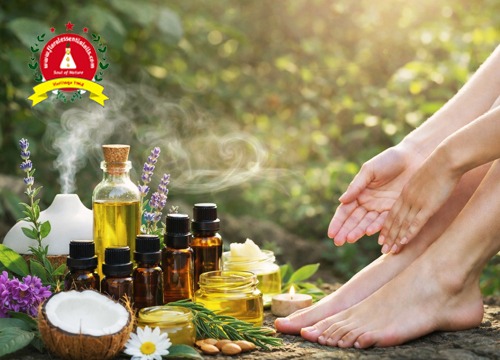
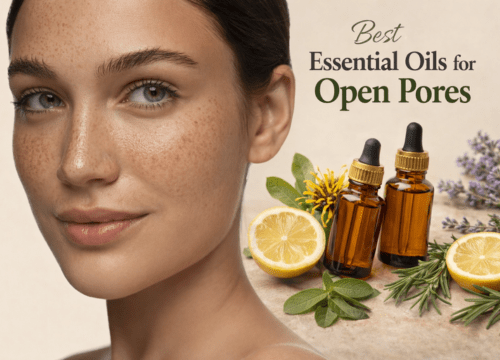
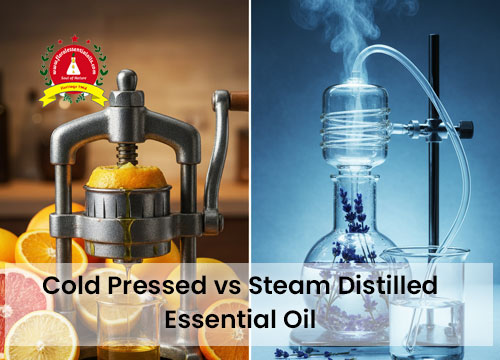

 Chat with us !